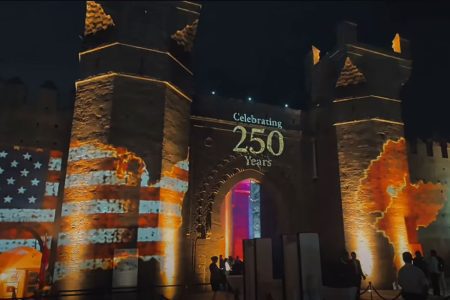
Today we are celebrating the 240th anniversary of the Treaty of Marrakesh, a treaty of friendship signed between Morocco and the fledgling United States, which remains in force to this day, making it the oldest uninterrupted diplomatic treaty in the history of the United States.
To understand the Treaty of Marrakesh, one needs to have an idea of what maritime trade in the Mediterranean was like in the 19th century: a region where ‘privateering’ reigned supreme. The “Barbary” states (Morocco, Algeria, Libya, Tunisia and even Egypt) turned a blind eye to privateer ships that would board foreign merchant vessels, take the crew hostage and seize their cargo. To escape this fate, one had to pay a hefty ransom, or even an annual tribute, the jizya ( جزية ), this tax imposed on dhimmis in exchange for their protection.
The Americans’ maritime situation after independence
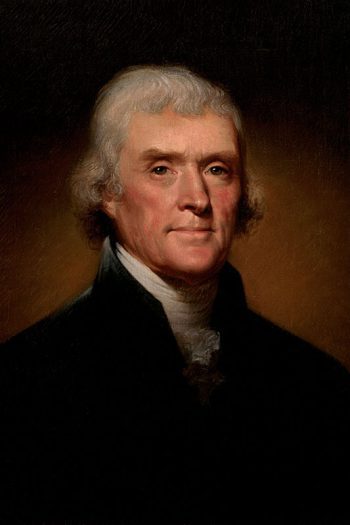
It was particularly difficult for the United States: since gaining independence, they had been deprived of the protection of the all-powerful British navy (you wanted your independence, so you’re on your own), and the war had left them virtually destitute and heavily in debt. Trade with the Mediterranean countries was very important to them:
Faced with two choices, both of which were equally untenable for them – waging war or paying tribute – they chose a third way: diplomacy.
Morocco’s commitment to openness
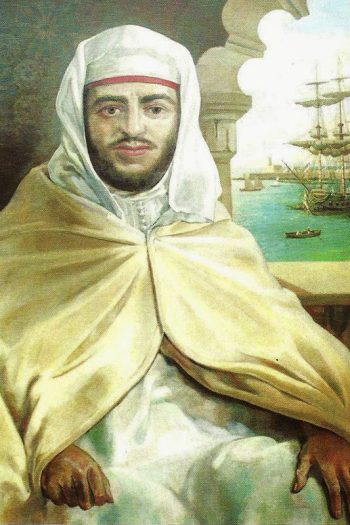
In Morocco, Sultan Sidi Mohammed ben Abdallah (Mohammed III) sought to develop trade. From 1760 onwards, he had major ports built or rebuilt (Mogador (Essaouira), then Safi, Mazagan (El Jadida) and even Casablanca). It had already concluded trade and navigation treaties with northern countries, notably Denmark as early as 1757, followed by England (1760), Sweden (1763), Venice (1765), France and Spain (1767).
Morocco has already recognised the United States; it was the first country in the world to do so. As early as 1777, it had declared that all ships flying the American flag were free to enter Moroccan ports.
The boarding of the brigantine Betsey
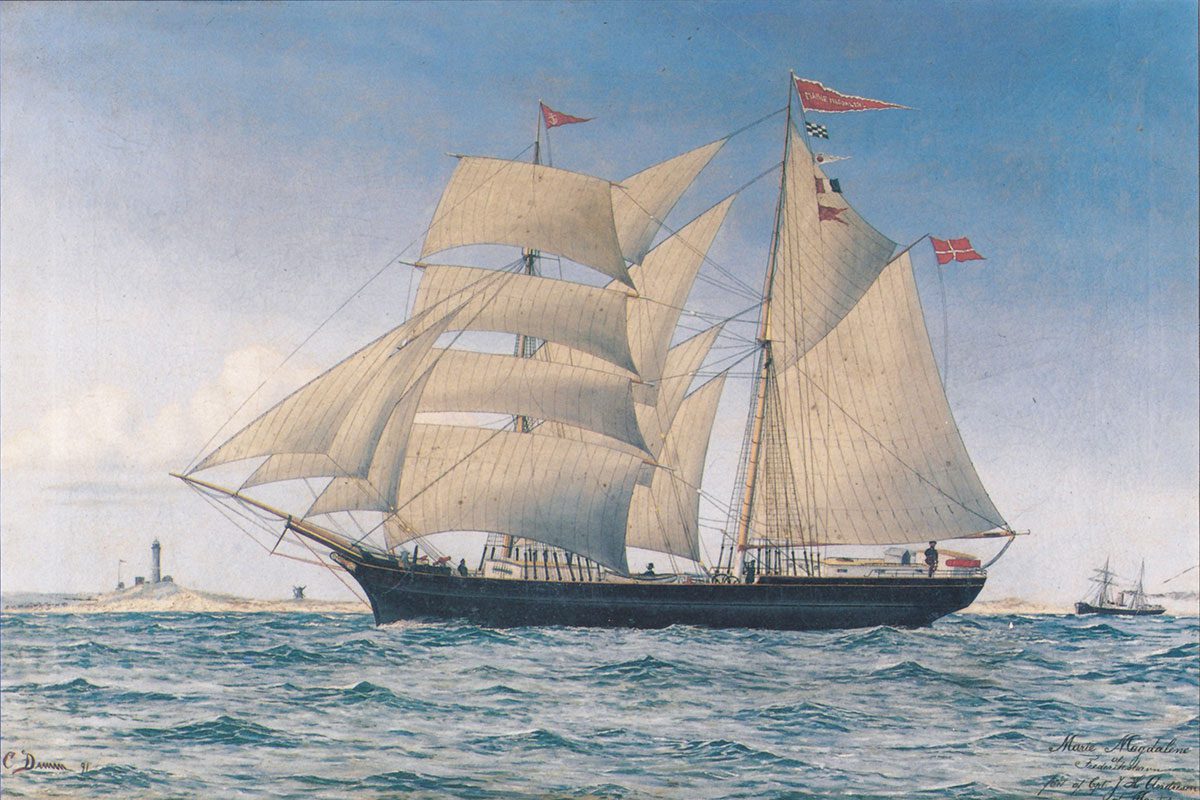
However, on 11 October 1784, Moroccan privateers seized the brigantine Betsey, on the orders of the Sultan, who had grown weary of the Americans’ procrastination in signing the treaty, which had been under discussion since 1777. The ship and its crew were taken hostage to Tangier. The Sultan declared that he had neither confiscated the ship nor its cargo, nor enslaved the men on board, and that the ship, the cargo and the men would be released as soon as a treaty was concluded with the United States. Armed diplomacy…
The signing of the treaty
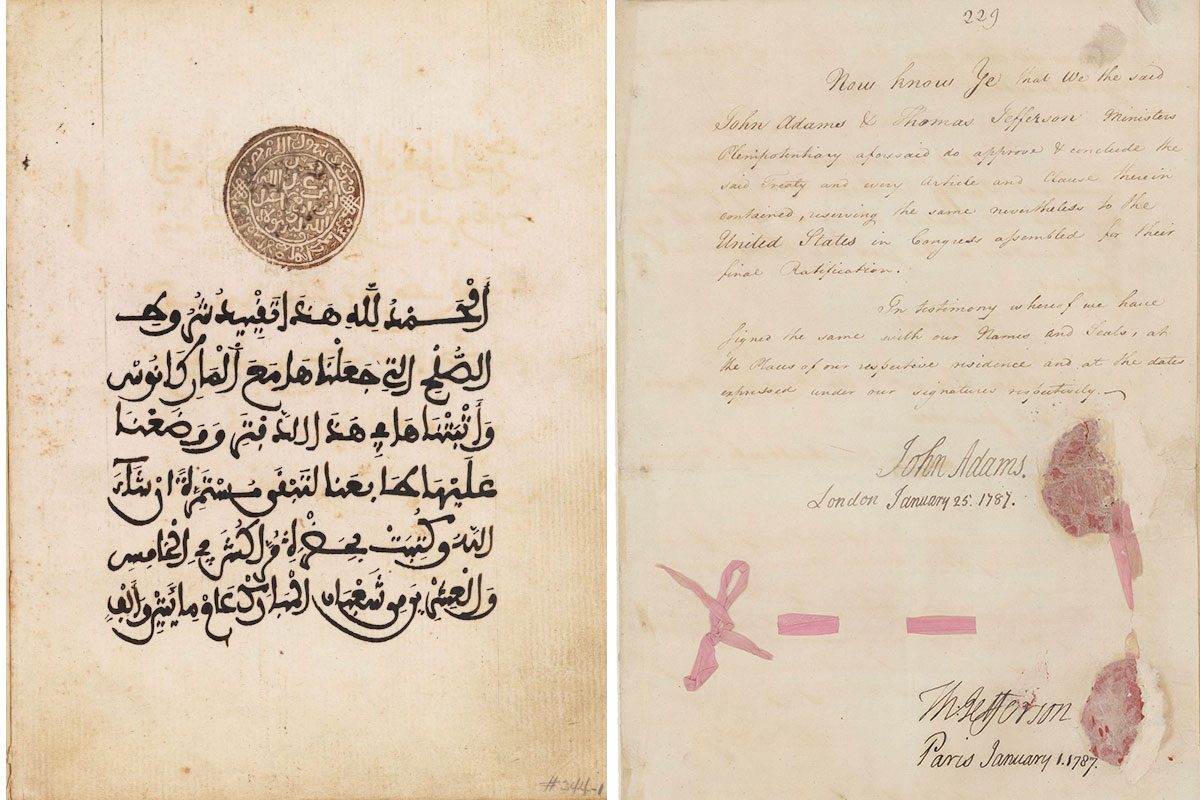
The treaty was ultimately drafted in Arabic, signed by the Sultan, translated into English and signed by Thomas Jefferson and John Adams. This treaty, dated 23 June 1786, was subsequently ratified by the US Congress on 18 July 1787, for a term of fifty years. It has since been systematically renewed.
The contents of the Marrakesh Treaty
People talk about a free trade agreement, but it is really more of an agreement on the free movement of shipping, non-aggression and, finally, free trade.
Indeed, a large part of the treaty sets out maritime relations and the conduct to be observed in the event of war.
Protection in the event of war or hostile acts
Both countries undertook not to support a country with which the other was at war. (This would prove significant during the Barbary Wars waged by the United States against other Mediterranean countries.) Should a vessel belonging to either country engage in combat with a vessel belonging to one of the Christian powers within firing range of the other party’s forts, the vessel thus engaged shall be defended and protected as far as possible until it is in safety.
If Morocco is at war with a Christian power and one of its ships leaves a port in the United States, no ship belonging to the enemy may follow it until twenty-four hours have elapsed from the departure of the Moroccan ships.
If, in the course of military operations, one of the parties takes nationals of the other country prisoner, or seizes property belonging to them, they shall be released and their property returned. In the event of war between the two signatory countries, prisoners shall not be enslaved, but shall be exchanged for one another.
Both countries will have a signal enabling them to identify each other’s vessels. If a Moroccan seizes American citizens and takes them to Morocco, they will be released and placed under the Sultan’s protection (and one immediately thinks of the Perdicaris affair).
Freedom of trade and movement
If a vessel from either country calls at a port in the other country and requires provisions or other supplies, these shall be provided without any delay or hindrance. If a United States vessel is shipwrecked at sea and calls at a Moroccan port, it shall be free to unload and reload its cargo without paying any customs duties. Should a United States vessel run aground, it shall be under the protection of the Sultan.
In trade matters, the United States benefits from the most-favoured-nation clause.
If a US citizen were to kill or injure a Moroccan, or conversely if a Moroccan were to kill or injure a US citizen, the law of the country shall apply and justice shall be done fairly, with the consul attending the trial; and if an offender were to abscond, the consul would not be held responsible in any way.
Consuls of the United States of America shall reside in any seaport within our territories that they deem appropriate.
The consequences of the Marrakesh Treaty
This treaty survived the skirmish of 1803, during which it was briefly denounced by Morocco before being reinstated by Dahir later that same year. It served as the foundation for a long-standing friendship with the United States, which was demonstrated in practical terms (the legation in Tangier, support for Moroccan independence, etc.) but also in a 1952 ruling by the International Court of Justice reaffirming the rights of nationals of the United States of America in Morocco.
 A typo or syntax error? You can select the text and hit Ctrl+Enter to send us a message. Thank you! If this post interested you, maybe you can also leave a comment. We'd love to exchange with you !