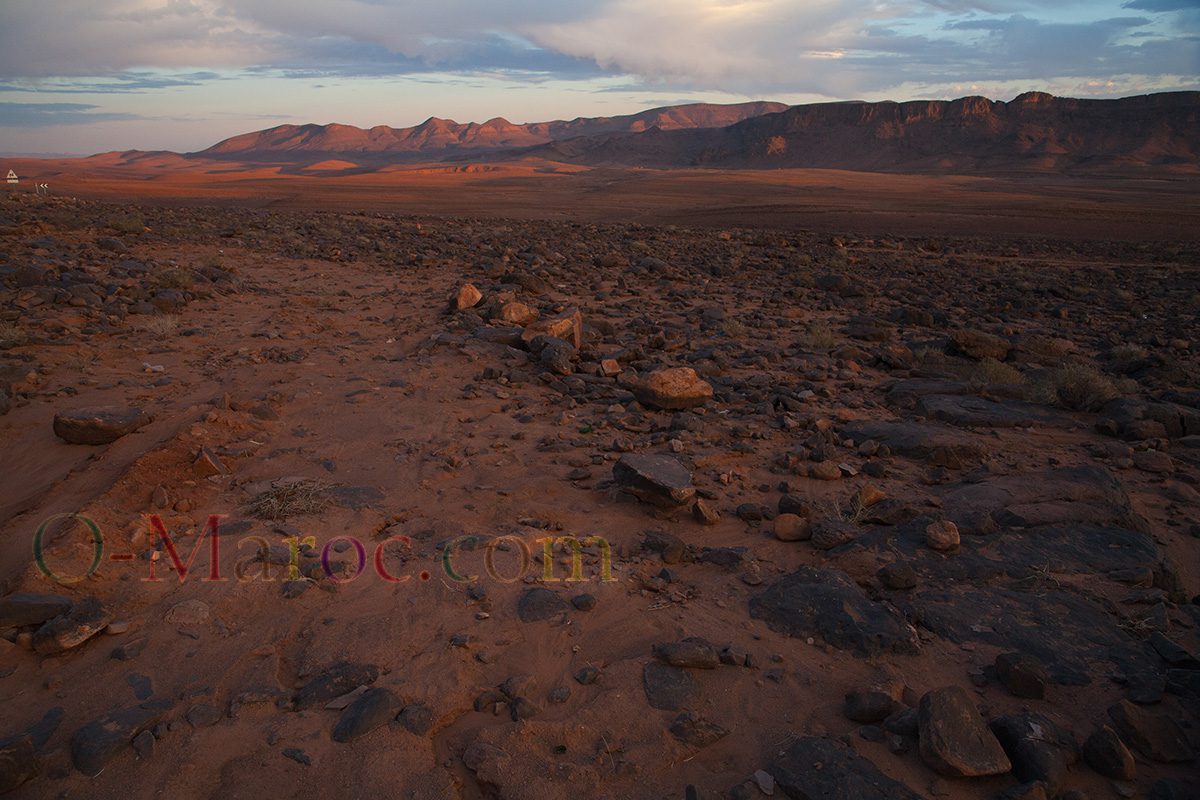
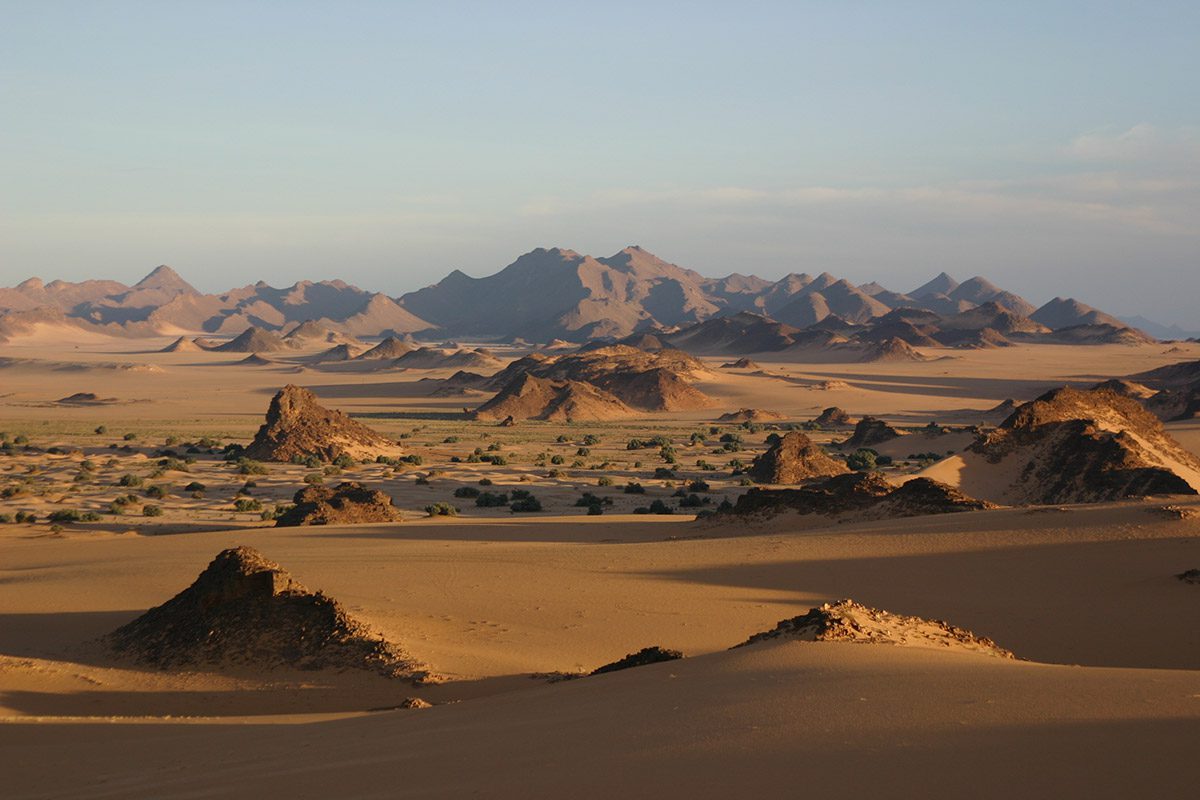
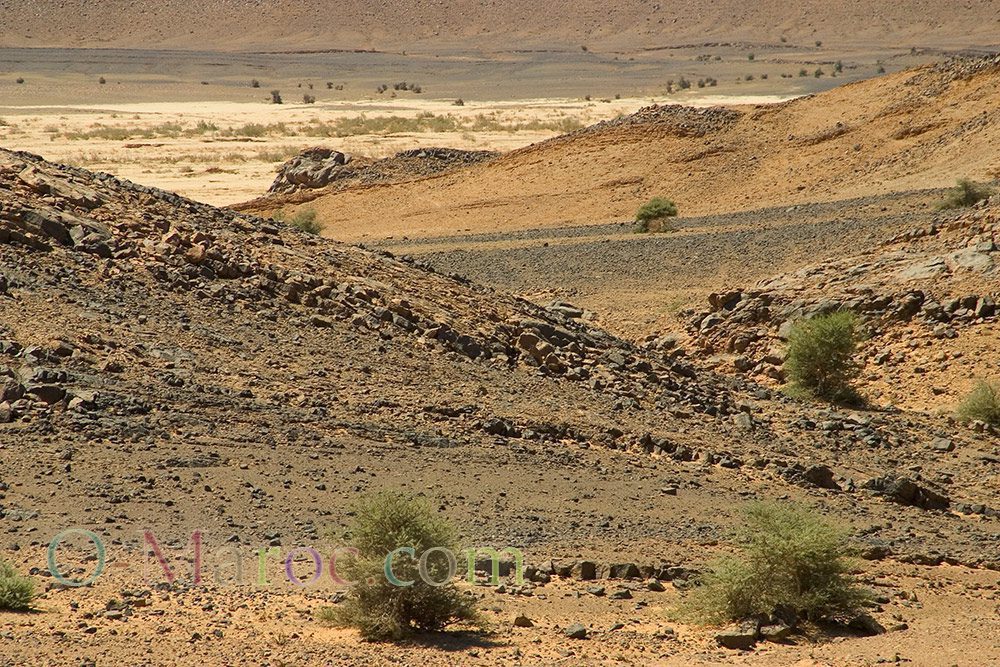
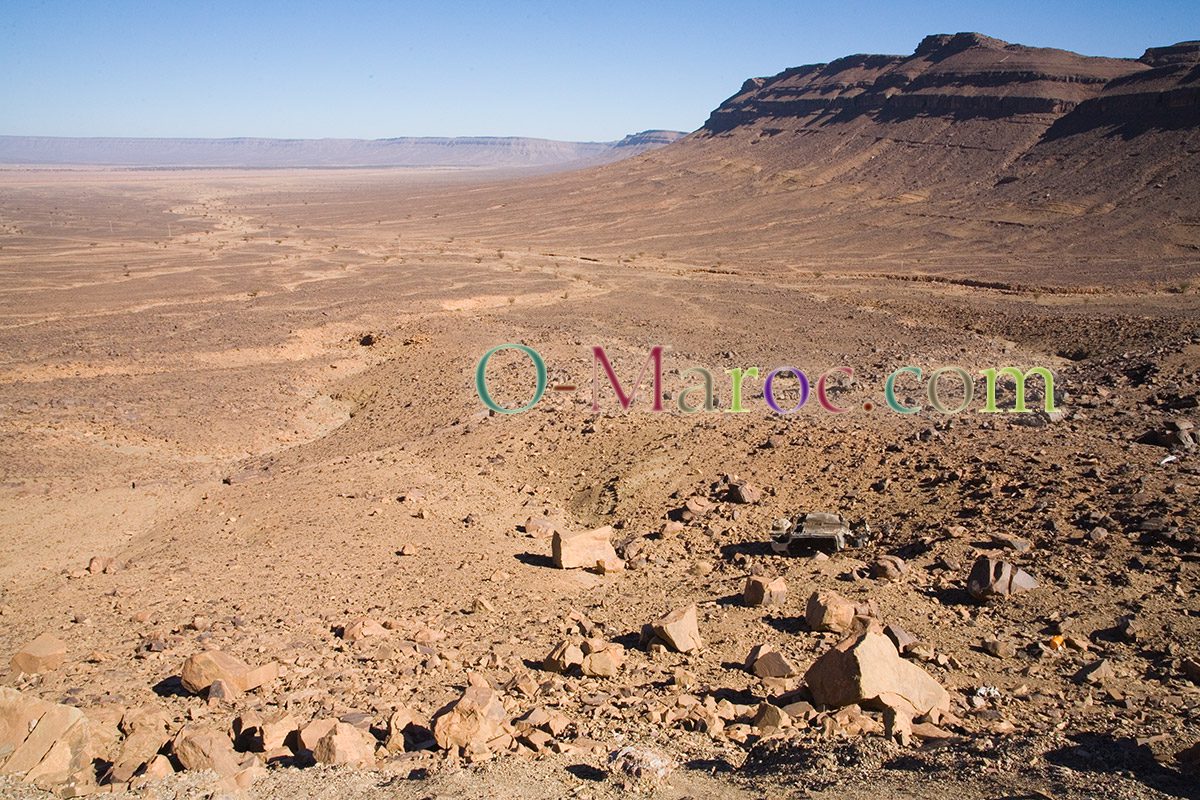
Am(e)rdoul, ⴰⵎⵔⴷⵓⵍ, is the desert, more specifically the stone desert in the Berber regions of southern Morocco (Tachelhit and Tamazight).

It is the desert that covers most of Morocco.
With the exception of the large ergs Chigaga near M'hamid and especially Chebbi in Merzouga, with its large dune ‘Lala Merzouga’, Morocco is mainly composed of stone deserts dotted with dunes of varying sizes.
There is an abundance of fossils and meteorites.
There are also exceptional formations such as the black mountain covered with red sand at Jbel Zireg.
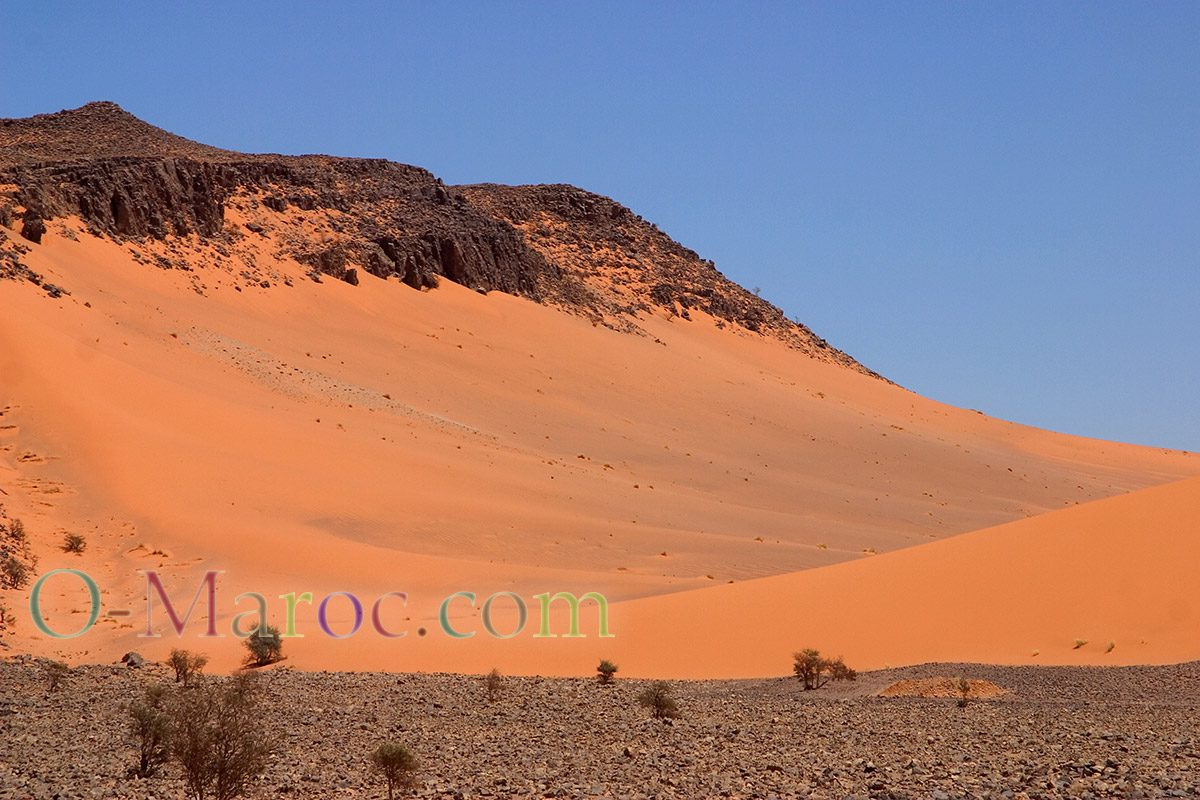
For humans, the stone desert is easier than the sand desert. It is easier to walk on, and the nights are less cold because stones take longer than sand to release the heat accumulated during the day. The horizon is also clearer (unless you are travelling on the crest of the dune, which is not easy).
In Dune, the stone desert is a shelter, a refuge from the sandworms…
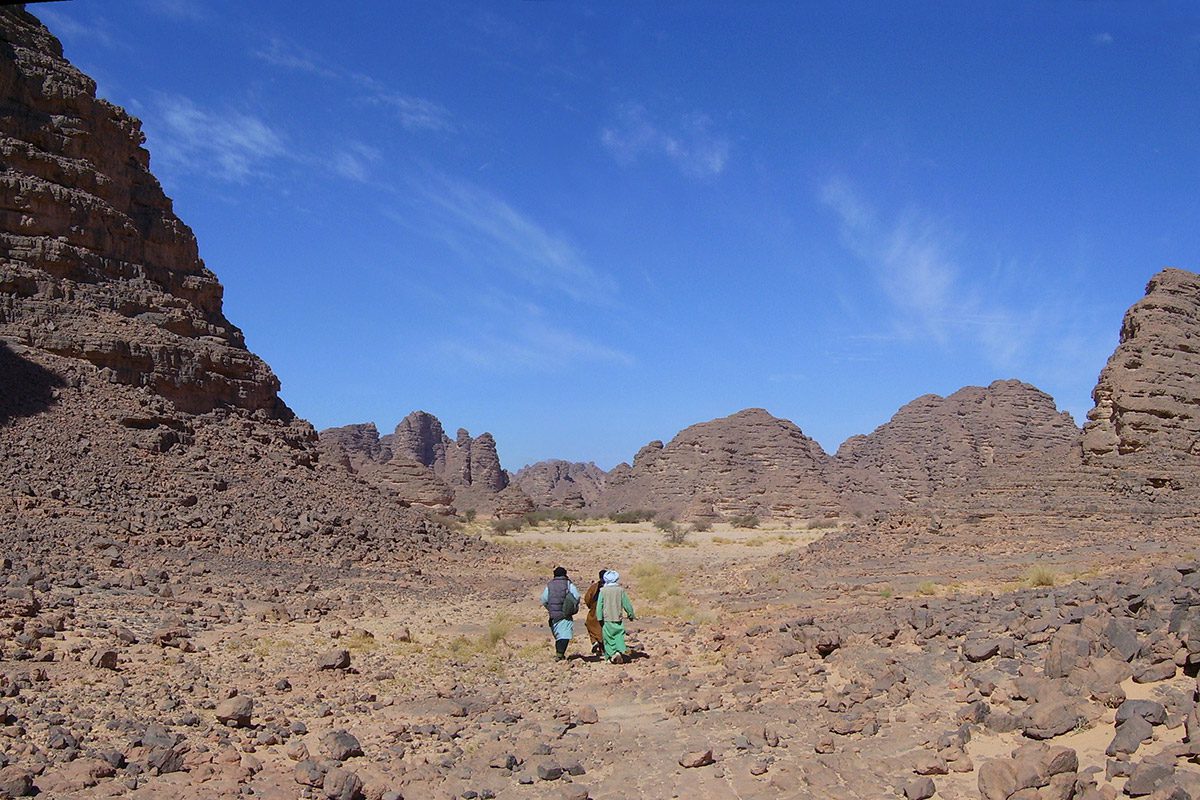
When travelling south towards Tuareg country, one arrives in the landscapes of Hoggar and Tassili, in the Djanet region. Although there is sand, it cannot form dunes, constrained as it is by high stone walls.
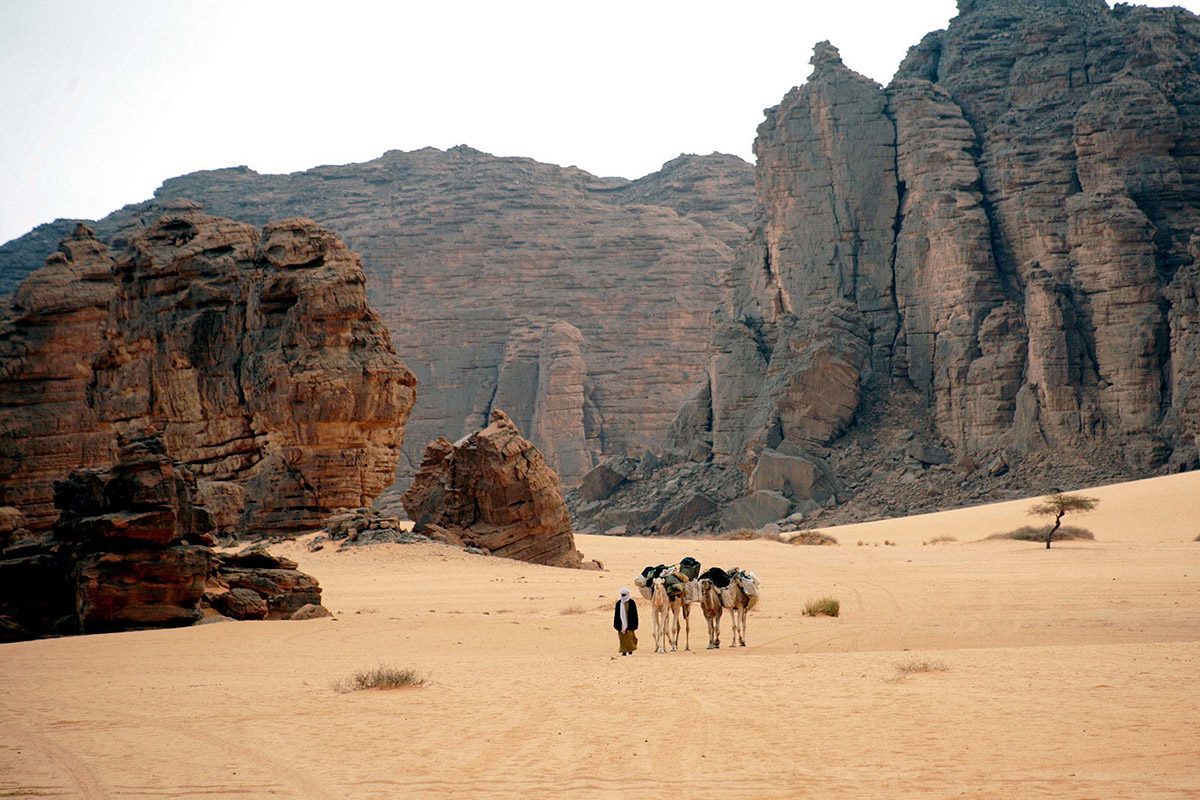
In Tamasheq (the language of the Tuaregs), the singular form is ⵜⵉⵏⵉⵔⵉ (tiniri). As ⵉ is pronounced ‘é’ in Tamasheq, this gave the name to the Ténéré desert. In the plural, it is ⵜⵉⵏⴰⵔⵉⵡⴻⵏ, pronounced ‘Tinariwen’; yes, it is also the name of a music group.
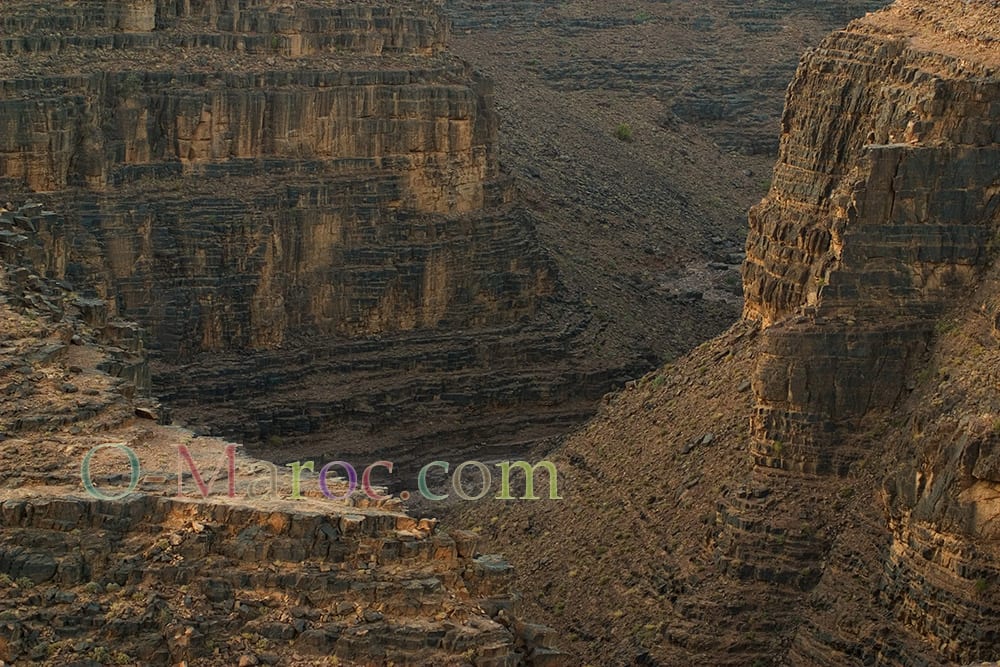
Finally, a brief overview of Morocco’s amerdouls:
 A typo or syntax error? You can select the text and hit Ctrl+Enter to send us a message. Thank you! If this post interested you, maybe you can also leave a comment. We'd love to exchange with you !