When I first started buying property in Morocco, I thought the hard part would be finding the right place. I was wrong.
The hard part was knowing which beautiful property was hiding a title problem, a deposit trap, a renovation nightmare, or a money transfer mistake that would only surface years later when selling.
Morocco can be a genuinely great place to live, invest, or run a hospitality business. But the gap between falling in love with a property and completing a safe purchase is where most foreign buyers lose money, time, and sometimes the deal entirely.
I have personally bought 3 properties in Morocco, after my first riad in Zagora, including property in Marrakesh. And I sold one. I have dealt with agents, notaries, title checks, renovation surprises, and the kinds of mistakes that foreign buyers often make when they are excited, rushed, or relying on the wrong advice. None of those mistakes happened because people were careless. Most happened because they moved fast, trusted the wrong person, and only started checking the paperwork after emotions were already involved. I was lucky not to fall in the problems Harry encountered with his villa in Ouarzazate, because I followed some rules I want to share here.
Who This Article Is For
- Foreigners thinking about moving to Morocco
- Foreigners buying a riad or medina property
- People considering opening a maison d’hôtes or guesthouse
- Airbnb investors looking at Marrakesh, Essaouira, Agadir, Tangier, or Casablanca
- Retirees and lifestyle buyers
- Remote workers who have visited and are now seriously thinking about buying
The 9 Mistakes at a Glance
- Choosing the lifestyle before checking the legal title
- Assuming every beautiful riad can legally become a guesthouse
- Confusing Melkia with Titre Foncier
- Paying a deposit before the notary verifies ownership
- Underestimating renovation costs
- Ignoring access, noise, drainage, and building condition
- Sending money without protecting future repatriation rights
- Treating the seller’s agent as if they represent you
- Moving or buying before understanding the neighborhood and local reality
Mistake 1: Falling in Love With the Lifestyle Before Checking the Paperwork
Morocco works on people fast. A few days in the medina, a riad courtyard, a terrace view over the rooftops or the ocean, and many buyers are already mentally measuring furniture.
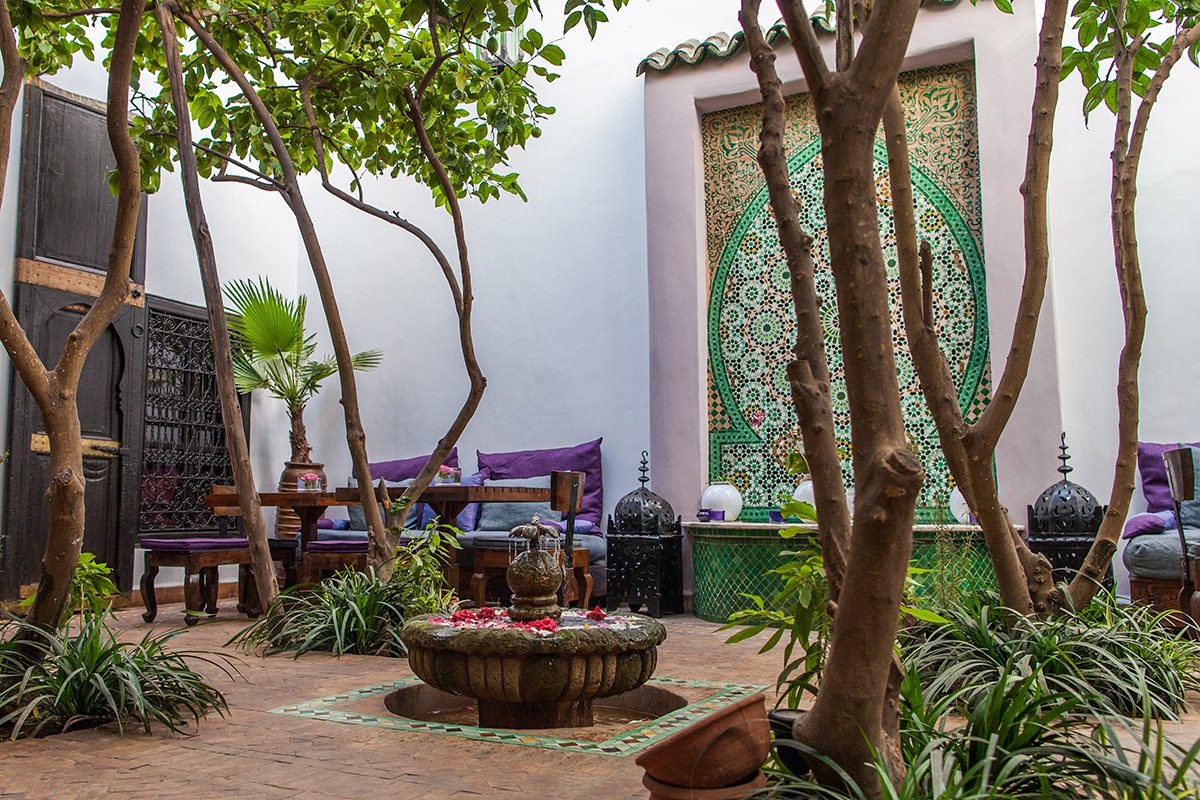
That emotional pull is understandable. It is also one of the most expensive forces in Moroccan property buying.
Title problems, ownership disputes, unpaid debts, missing heir signatures, and zoning restrictions do not show up during a viewing. They show up later, usually after money has changed hands and the agent has moved on to the next sale.
What I Have Seen Go Wrong
I have seen buyers fall in love with properties that had no clean title. I have seen others pay deposits on riads where two of the four co-owners lived abroad and had never formally agreed to sell. The riad was beautiful. The problem was invisible until the notary started asking questions.
The rule I follow now: check the paperwork before the emotion gets too far ahead. Walk through a property with curiosity, not attachment. Save the excitement for after the title comes back clean.
Mistake 2: Assuming Every Beautiful Riad Can Legally Become a Guesthouse
This is one of the most common and expensive mistakes I see foreign buyers make, particularly in Marrakesh.
A riad for personal residential use is not automatically eligible to operate as a maison d’hôtes. The number of bedrooms, the structure of the building, the neighborhood classification, and local tourism regulations all affect whether a property can legally operate as a paying guesthouse.
What Operating a Maison d’Hôtes Actually Involves
Running a guesthouse in Morocco typically requires:
- Tourism classification through the relevant regional tourism authority
- Guest registration requirements
- Tourist tax collection
- Hygiene and safety standards
- Staff registration
- Ongoing accounting and compliance
The requirements are not the same from city to city, and they change over time.
Buying the Riad Is Not the Same as Buying the Business
This is a point many buyers miss entirely. A riad is not automatically a business. Sometimes you are buying only the walls.
If a seller tells you the riad is already operating as a maison d’hôtes, ask exactly what is included in the sale. A running guesthouse may have an operating history, guest reviews, a website, social media accounts, active booking profiles, staff relationships, furniture, equipment, and a tourism classification or license. None of that transfers automatically with the building.
Ask whether the license or classification transfers to you as the new buyer, whether it is linked to the previous owner personally, to a company, or to the operator, and what would need to be re-registered or re-applied for in your name. These are practical questions with real financial consequences, and the agent is not always the right person to answer them.
Do not assume that buying a beautiful riad that happens to be running means you are buying a running hospitality business. Verify what transfers and what does not before the price is agreed.
What to Do Before You Buy
Before committing to any purchase intended for hospitality use, verify the licensing requirements directly with the relevant local authority. Ask whether an existing license is attached to the property and whether it is transferable. Do not rely on the agent’s assurances or informal estimates from previous owners.
If you want to understand the full buying process before making an offer, this guide on how to buy a riad in Marrakesh covers what to check before signing anything.
The point is not just finding the right property. It is knowing what must be verified before the property becomes emotionally impossible to walk away from.
Do not buy a riad based on projected Airbnb income without first confirming that the property can legally and practically operate at that scale.
Mistake 3: Not Understanding Titre Foncier vs. Melkia
What Is Titre Foncier?
For most foreign buyers, Titre Foncier is the title type that offers the clearest protection. It is the registered land title system in Morocco, administered through the ANCFCC (Agence Nationale de la Conservation Foncière, du Cadastre et de la Cartographie). A property with a clean Titre Foncier has a registered owner, defined boundaries, and a traceable ownership history.
What Is Melkia?
Melkia ( الملكية) is a traditional form of ownership that predates the modern title registry. It can be entirely legitimate. Many Moroccan families have held property under Melkia for generations. But for a foreign buyer, it introduces complexity.
Melkia properties may involve:
- Multiple heirs
- Unclear or disputed boundaries
- Missing signatures from family members who live abroad or have died
- An ongoing titling process that can take years to complete
A property priced attractively as Melkia can become very expensive if the ownership structure turns out to be complicated.
The Check You Must Request
Before purchasing any property, ask your notary to request a recent Certificat de Propriété from the ANCFCC. This document confirms the current registered owner, any mortgages or encumbrances, and whether the title is clean. In other words, stay away from Melkia.
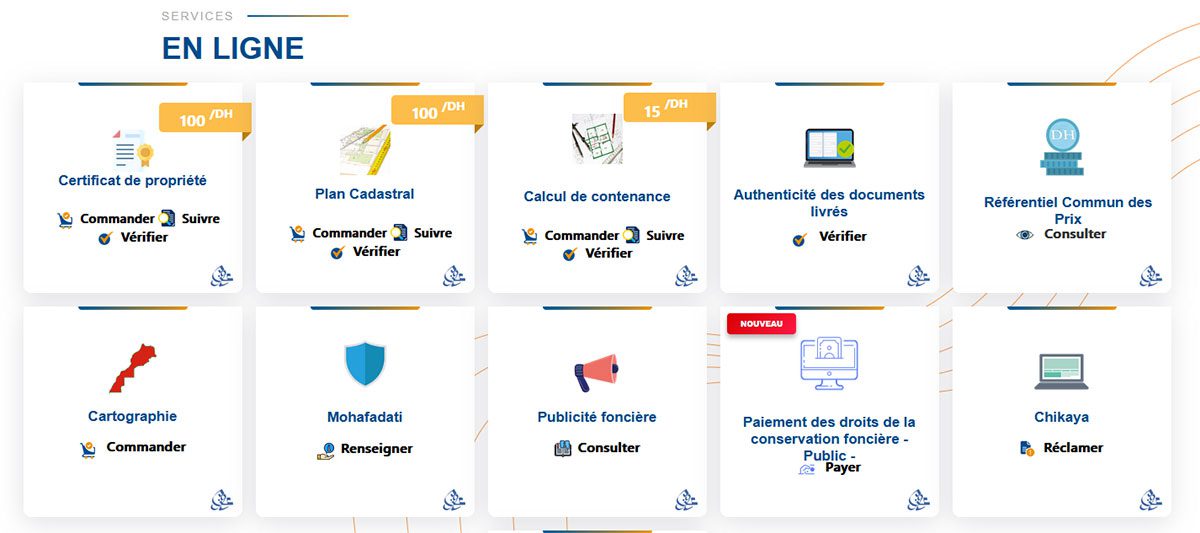
Do not pay a deposit or sign anything binding until this check has been completed. If a seller cannot or will not facilitate it, that is a serious warning sign regardless of how reasonable they seem in person.
Terms Foreign Buyers Should Understand
These are words you will hear from agents, notaries, and banks. It helps to know what they mean before you are sitting across from someone using them.
Notaire ( موثق ): The notary. This is the professional who handles the deed, holds funds in escrow, and manages the formal sale process. Using a notary is standard practice for titled property purchases in Morocco.
Titre Foncier: The registered title deed. This is the document that confirms a property has been formally entered into the Moroccan land registry system with a defined owner and defined boundaries.
Melkia: A traditional ownership document. It can be legitimate, but it is generally more complex for foreign buyers than a Titre Foncier because ownership may be shared across multiple heirs and boundaries may be less clearly defined.
Certificat de Propriété: An official certificate from the ANCFCC showing the current registered owner of a property and any mortgages, liens, or charges attached to it. Ask for a recent one before paying anything.
Conservation Foncière ( المحافظة العقارية ): The land registry office. This is the office within the ANCFCC network where title transfers are formally registered.
Acte de vente ( عقد البيع ): The final sale deed. This is the document signed before the notary that formally transfers ownership from seller to buyer.
Office des Changes: The authority that regulates foreign currency movements in and out of Morocco. Relevant to any foreign buyer transferring funds into Morocco and wishing to repatriate proceeds later.
Mistake 4: Paying a Deposit Before the Notary Checks Ownership
In Morocco, the purchase process typically involves a preliminary agreement (often called a compromis de vente) and a deposit paid before the final deed is signed. How and where that deposit is paid matters enormously.
The Rule: Notary Escrow Only
The deposit should go into notary escrow. Not to the seller. Not to the agent. Not in cash. Into a formal escrow account held by a licensed Moroccan notary (notaire).
What the Notary Should Verify Before You Pay
Before any deposit is paid, the notary should have:
- Verified the title and the Titre Foncier reference
- Confirmed the legal identity of the seller
- Identified all co-owners and heirs
- Checked for any mortgages, liens, or charges on the property
- Confirmed whether any power of attorney is valid if someone is signing on behalf of the owner
A Friendly Seller Is Not the Same as a Clear Title
I have heard buyers say they trusted the seller because they seemed honest, answered every question, and spoke good English. A friendly and cooperative seller can still be legally unable to sell. They may be one of several heirs. They may have a family member abroad who has not agreed to the sale. They may have a debt attached to the property they have not disclosed.
The notary’s job is to catch these problems before your money moves. Let the notary do that job before you pay anything.
Mistake 5: Underestimating Renovation Costs
Moroccan riads and medina properties are often sold on their aesthetic potential. The courtyard, the tilework, the carved plaster, the rooftop terrace. What the listing photographs do not show is the roof condition, the state of the plumbing, the age of the electrical system, or what is behind the freshly painted walls.
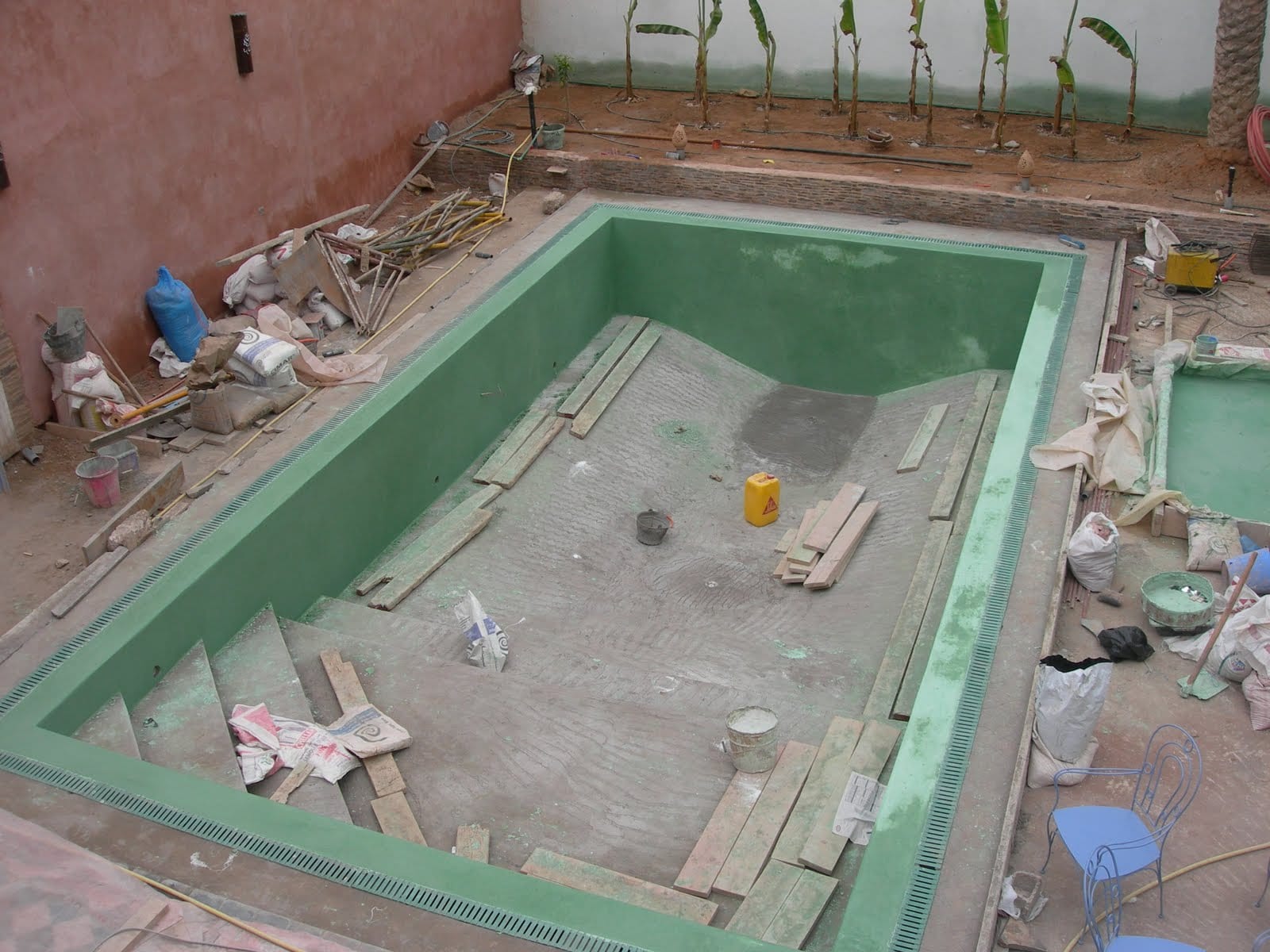
Common Renovation Surprises in Moroccan Properties
Foreigners frequently budget for design and decoration while underestimating the structural work underneath. Common surprises include:
- Roof leaks and accumulated damp inside walls and floors
- Old plumbing that does not meet current standards
- Wiring installed decades ago that needs full replacement
- Poor drainage, particularly in lower ground floors
- Rooftop additions built without permits that may need to be addressed
- Cracked or unstable load-bearing walls hidden beneath plaster
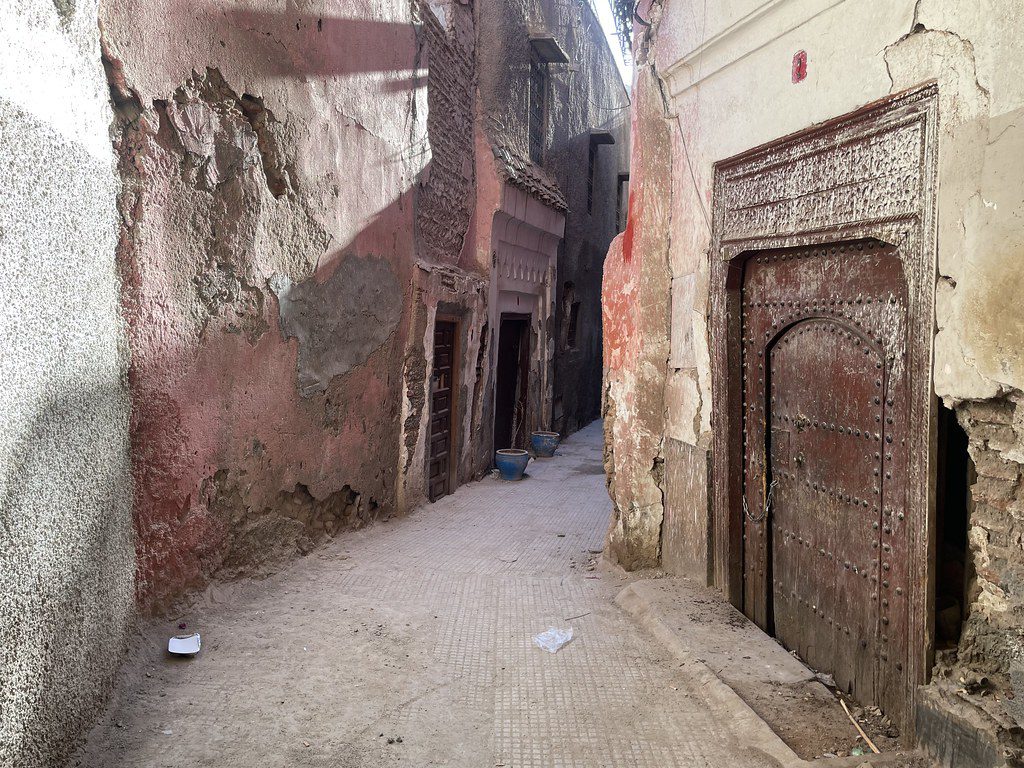
- Narrow derb access that makes material delivery extremely expensive
For renovation work in a traditional medina, access is a genuine constraint. Materials often need to be carried by hand through narrow alleys. This adds cost and time to almost every project.
What to Do Before You Commit
- Commission an independent structural inspection from a qualified engineer or architect before making an offer
- Budget a contingency of at least 20 to 30 percent above your renovation estimate
- Factor in access costs if the property sits deep inside a medina
The renovation surprises do not mean the purchase is wrong. They mean the purchase price should reflect the real condition of the building, not its photogenic surface.
Mistake 6: Ignoring the Neighborhood at Different Times of Day
A property that feels charming during a daytime viewing can feel very different on a Friday evening, during Ramadan, during peak tourist season, or after dark.
What to Check Before You Commit
Before committing to any medina property, walk the neighborhood at different times and days. Then check:
- Street and derb access width
- Parking availability nearby
- Noise levels at different times and days
- Drainage and flooding history in the area
- Smell, particularly near tanneries or food markets
- Safety of the area at night
- Proximity to tourist foot traffic if running a hospitality business
- Proximity to active construction on neighboring properties
- Mosque proximity and Friday prayer crowd patterns
A Special Note for Riad and Guesthouse Buyers
Practical access matters beyond your personal comfort. Guests arrive with luggage. Renovation materials need to be delivered. If the property sits at the end of a difficult derb, factor that into every cost calculation, from renovation budgets to guest reviews.
None of these factors alone is a reason not to buy. Together, they form the real picture of what daily life in that property actually looks like, not just what it looks like during a sunny afternoon viewing.
Mistake 7: Sending Money Without Protecting Future Repatriation Rights
This is the mistake that causes the least visible damage upfront and the most serious problems later, usually at the point of selling.
Why the Payment Route Matters
Foreign buyers in Morocco should transfer purchase funds through official banking channels. The Office des Changes (Morocco’s foreign exchange authority) regulates the movement of foreign currency in and out of the country. When a foreign buyer brings funds into Morocco through official channels and maintains proper documentation,they generally preserve the right to repatriate those funds when they eventually sell the property.
What Creates Problems Later
When buyers make informal payments, pay in cash, agree to an underdeclared purchase price in the notarial deed, or fail to keep documentation of how funds entered Morocco, they can face serious complications when it comes time to send sale proceeds out of the country.
Documentation to Keep From Day One
- Bank transfer records showing the source and amount of funds sent to Morocco
- The notarial deed reflecting the true purchase price
- Attestations from the bank confirming foreign currency importation
- All correspondence with the notary relating to the financial structure of the purchase
For a clearer picture of what this process involves and why it matters, this article on repatriating money after selling property in Morocco explains what foreign buyers should be tracking from the moment they purchase.
The safest position: use a Moroccan bank account opened in your name, transfer funds internationally and officially, keep every document, and ask your notary to confirm the transaction structure before money moves.
Mistake 8: Trusting the Seller’s Agent as If They Represent You
Real estate agents in Morocco can be genuinely useful. They often know the inventory, the neighborhoods, the pricing, and the local context better than any outside buyer can learn quickly.
But an agent working with the seller is paid when the sale completes. Their interest is in completing the transaction, not in protecting yours.
This does not mean agents are dishonest. It means they are in a structurally different position than you are.
How to Protect Yourself
Use your own notary. For a safe titled property purchase in Morocco, the notary is the professional normally used to authenticate the deed, hold funds in escrow, verify ownership documents, and register the transfer. You can usually choose your own notary independently instead of relying only on the seller’s recommendation. Do it.
Get things in writing. Do not rely on verbal assurances from an agent about title, zoning, renovation costs, rental income projections, or guesthouse licensing. Ask for written confirmation of anything factual that affects your decision.
Do not make financial decisions based on WhatsApp messages. If something is important, it should be confirmed through your notary in writing.
Consider independent legal advice from a Moroccan lawyer for any complex purchase, particularly if the property involves multiple owners, a company structure, an ongoing renovation, or any attached business.
Mistake 9: Buying Before Living the Reality
Morocco is one of the most seductive countries in the world to visit. The food, the architecture, the light, the hospitality. A two-week visit can make buying feel urgent.
Living in Morocco is a different experience from visiting.
What You Cannot See as a Visitor
The bureaucracy, the banking system, the language dynamics, the process of getting anything administrative done, the maintenance realities of older properties, the utility systems, the property management landscape. None of this is visible during a holiday.
Before buying, test the boring parts of life, not only the beautiful parts. Try opening a bank account, dealing with an internet installation, finding a plumber, handling a simple administrative errand, shopping outside tourist areas, and living through a normal working week. A place can feel magical on holiday and still be genuinely frustrating as a daily base. That is not a reason not to move. It is a reason to find out before you have bought, not after.
For Lifestyle Buyers and Retirees
The most sensible first step is usually to rent. Spend three to six months in the city or neighborhood you are considering. Use that time to understand what daily life actually looks like. Learn the local bureaucracy at low stakes before you are managing a property purchase on top of it.
For Riad and Guesthouse Buyers
Test the medina lifestyle before you buy into it. Stay in similar properties. Talk to other operators, not just the ones with polished Instagram accounts. Understand the seasonal fluctuations, the staffing realities, the maintenance demands, and the realistic occupancy rates before you build a business plan around projected income.
Rent first. Buy second. The property market in Morocco is not so fast-moving that waiting three to six months will cost you a deal worth making.
Red Flags Before You Send Money
These are situations that should prompt you to slow down, ask more questions, or walk away entirely.
- The seller asks for cash
- The agent asks for the deposit directly rather than through the notary
- The title is described as being sorted, registered, or transferred later
- The seller cannot produce recent ownership documents
- Some heirs are missing, living abroad, or not clearly identified in the file
- The riad is advertised as licensed, but nobody can clearly explain what transfers to the buyer
- Renovation costs are based only on the agent’s estimate, with no independent inspection
- You are being rushed to sign before the notary has checked the full file
- The seller wants part of the price underdeclared in the deed
- The notary has not confirmed escrow instructions in writing before you are asked to pay
Documents and Checks to Request Before Sending Money
Ask for all of the following before any money leaves your account:
- Recent Certificat de Propriété from the ANCFCC confirming current registered ownership
- Titre Foncier reference number and document
- Verified identification of the seller
- Proof of ownership including full ownership history if available
- Full list of all co-owners or heirs, with confirmation that all are in agreement and legally able to sign
- Any power of attorney used in the transaction, verified as current and valid
- Tax and utility payment status for the property
- Syndic charges or building management fees if buying an apartment
- Written terms of any preliminary deposit agreement
- Written confirmation from the notary that deposit funds will be held in escrow
- Independent structural inspection report from a qualified engineer or architect
- Written inventory of any furniture or fixtures included in the sale price
- Bank transfer documentation confirming how funds will enter Morocco
- License or tourism classification documentation if the property is marketed as a guesthouse
Questions to Ask Before Buying or Opening a Riad
- Is this property registered under Titre Foncier or Melkia?
- Who exactly owns it, and are all owners legally able to sign?
- Are there heirs whose signatures are needed, and are they all reachable and in agreement?
- Has the notary requested a recent Certificat de Propriété from the ANCFCC?
- Will my deposit be held in notary escrow, confirmed in writing before I pay anything?
- Has an independent engineer or architect inspected the structure?
- What renovation or construction work has been carried out without permits?
- Can this property legally operate as a maison d’hôtes under current regulations?
- If there is an existing guesthouse license, is it transferable to a new owner?
- If it is a running guesthouse, what exactly is included in the sale: license, reviews, furniture, booking accounts, staff?
- How should I transfer purchase funds from abroad, and what documentation do I need to keep?
- What documents will I need to repatriate sale proceeds if I sell in the future?
- What are the realistic annual operating costs, including maintenance, staff, utilities, and compliance?
What I Would Do Differently If I Were Starting Again
Slow down. The urgency is almost never real.
Rent before buying if moving to a new city or country. The test period is cheap compared to buying in the wrong place.
Use my own notary from the start, chosen independently, not recommended by the agent.
Check the title before getting attached. Review the Certificat de Propriété before viewing a property a second time.
Pay for an independent structural inspection on any property requiring renovation. Every time.
Keep every bank transfer document, every attestation, every notarial record, from purchase through to any eventual sale.
Not buy a riad based only on Airbnb projections or income estimates from the seller or agent.
Choose the area before choosing the property. The location determines the quality of the life and the business.
Walk away from pressure. Any seller, agent, or situation that creates urgency around signing or paying quickly is a reason to slow down, not speed up.
A Final Word
Morocco can be an incredible place to live, invest, and build a hospitality business.
The people who do it well are almost always the people who were patient. They verified first, negotiated second, and only sent money after the title, deposit route, renovation risk, and payment trail made sense.
The property market rewards buyers who ask more questions than they feel comfortable asking, who use their own professional advisors, and who treat the purchase as the serious financial and legal transaction it actually is, rather than the romantic lifestyle decision it can feel like from the outside.
 A typo or syntax error? You can select the text and hit Ctrl+Enter to send us a message. Thank you! If this post interested you, maybe you can also leave a comment. We'd love to exchange with you !