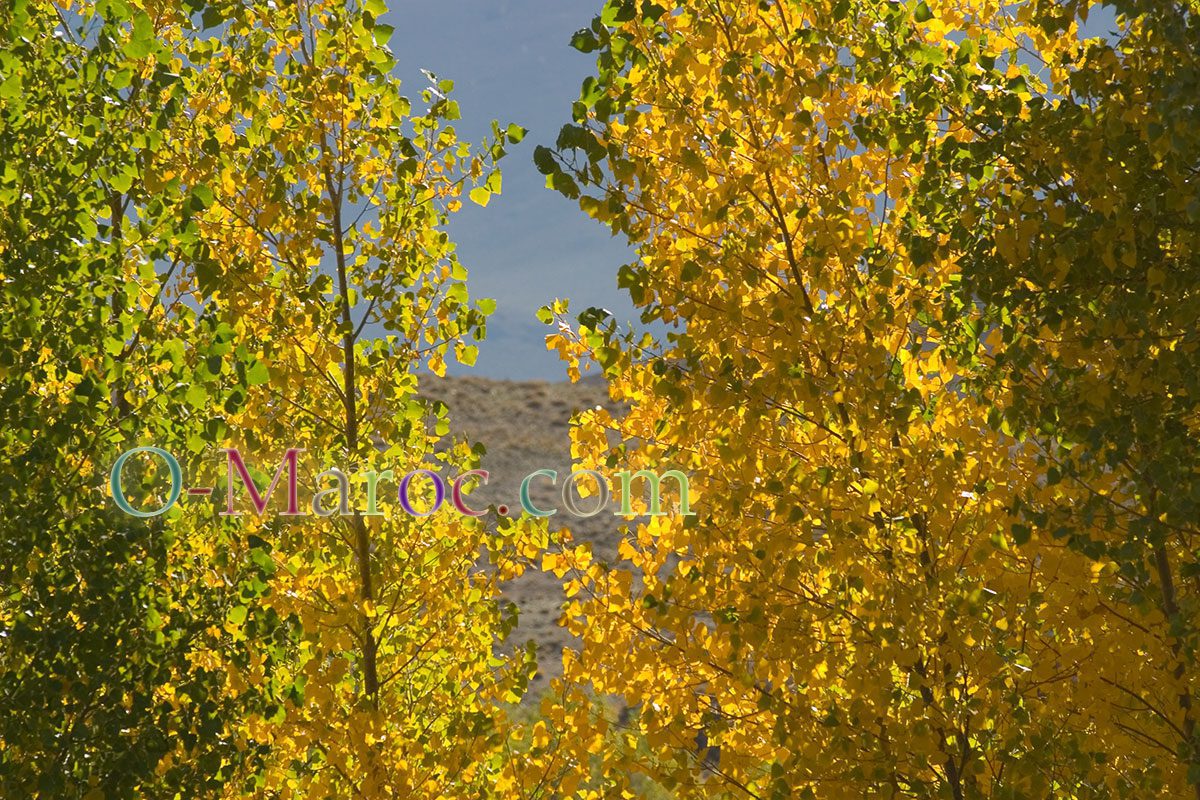
Autumn arrived over a week ago. But temperatures were still like summer (ⴰⵏⴱⴷⵓ) until this weekend, when the night-time cool finally made an appearance.
Autumn, ⴰⵎⵡⴰⵏ in Berber, is a short season in Morocco. In the mountainous regions and in the north, it is noticeable, with the golden foliage associated with the season.
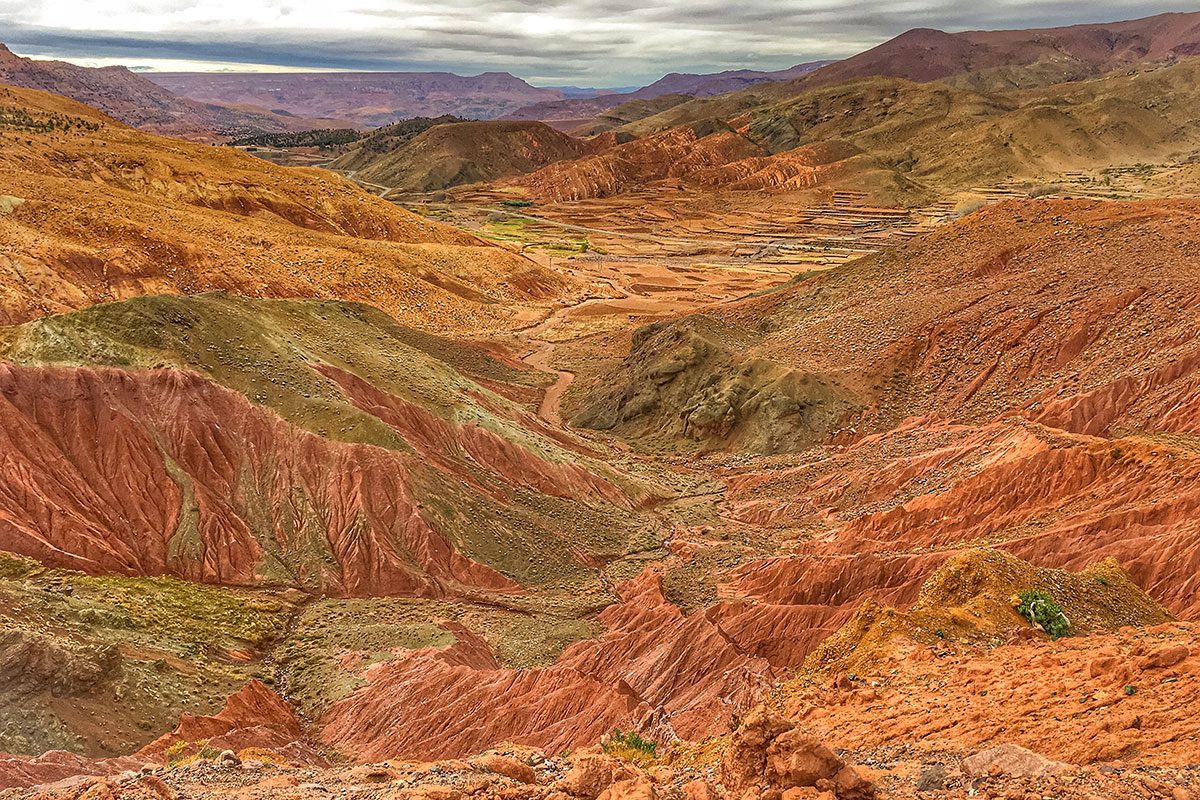
But elsewhere, autumn is simply marked by a drop in temperatures and, if we are fortunate, more rain (ⵜⴰⴳⴳⵓⵜ). At this time of year, the landscape turns green again, almost giving the impression of spring!
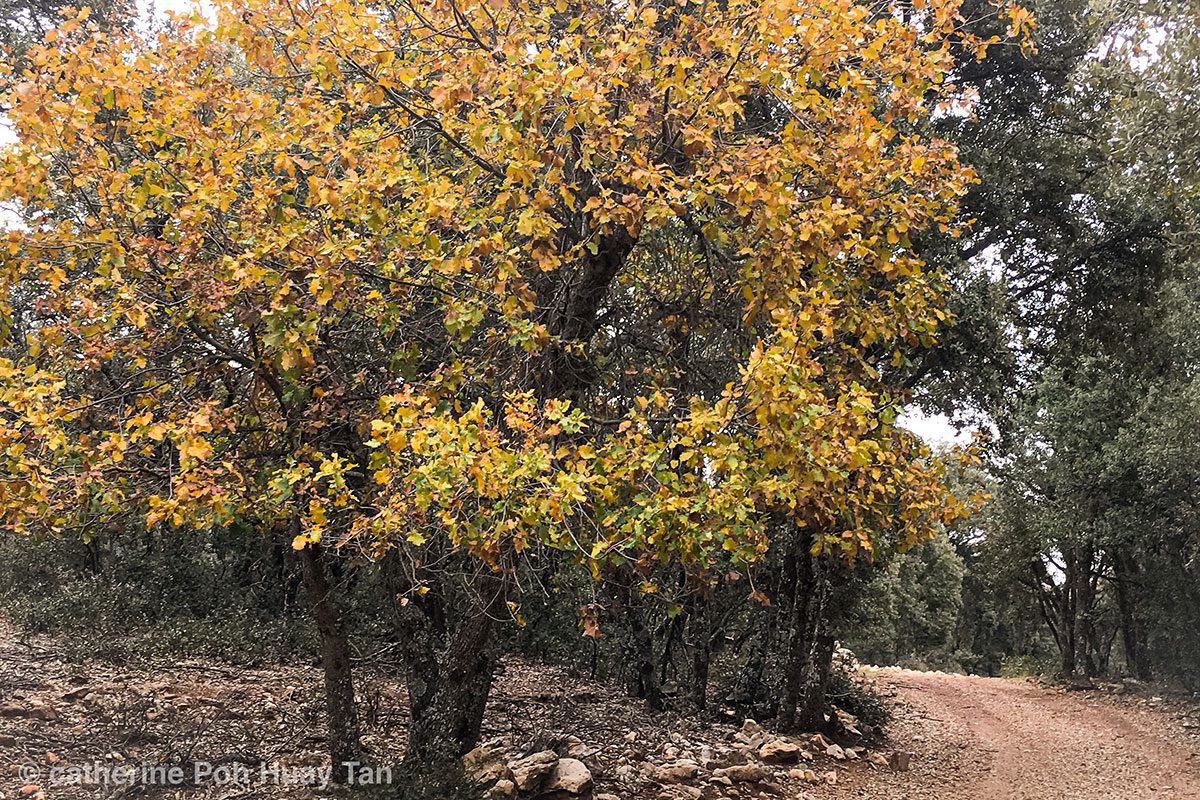
This is undoubtedly my favourite season in Morocco. There is a sense of relief after the intense heat of summer and a feeling of happiness when I think of ‘you lot’ who are starting to feel the cold.
In Morocco, autumn is the season of harvests and festivals.
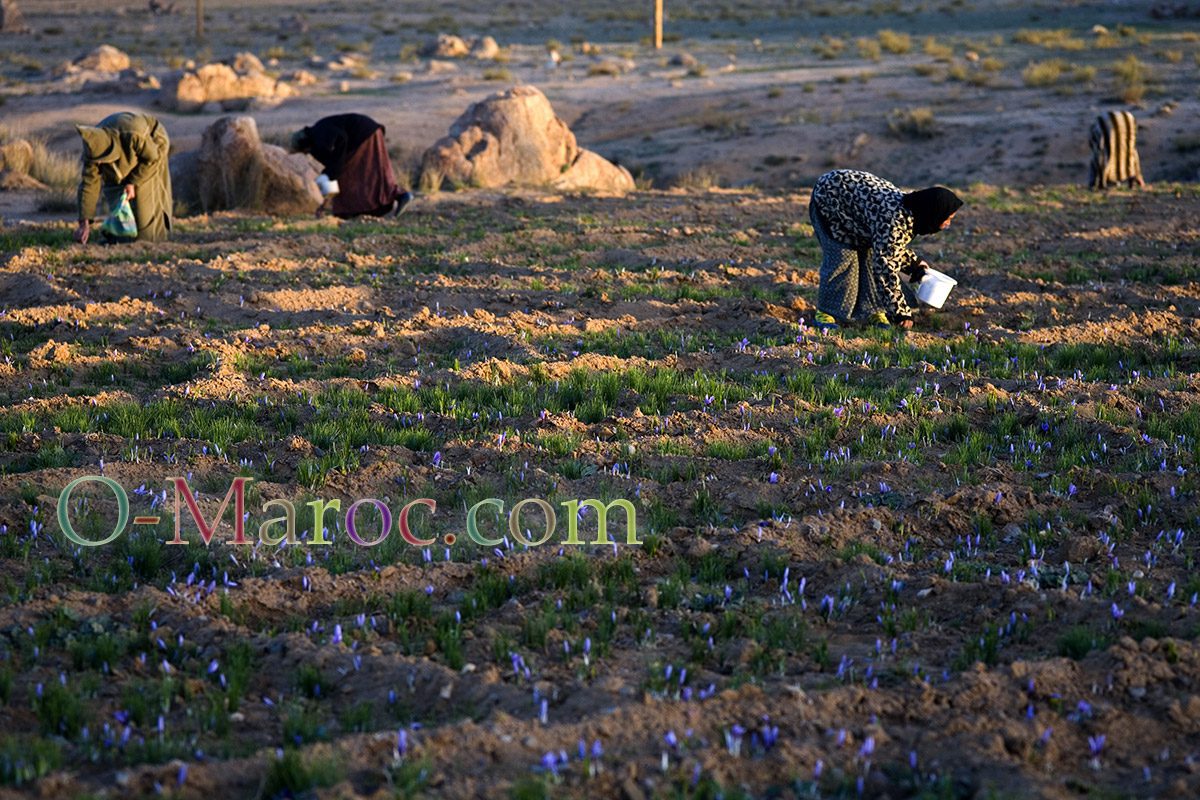
Although wheat harvests are taking place earlier and earlier in the summer, there are still at least two crops that can only be harvested in autumn: dates and saffron.
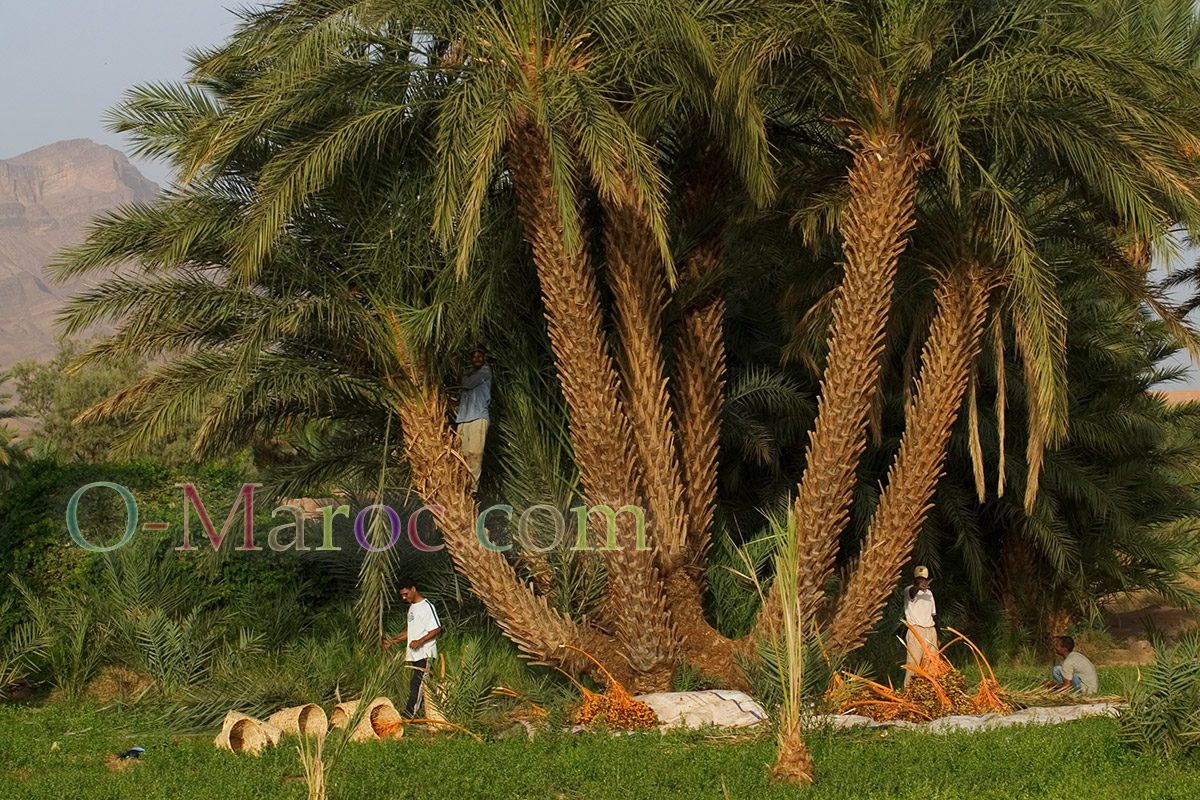
Harvesting dates is very simple: you climb up the palm tree and detach the bunches (we put a large sheet underneath beforehand to catch any that fall spontaneously). Then we put the date bunches out to dry on the terraces… and we make fly swatters out of palm leaves, because these super-sweet fruits attract all the flies in the world!
As for the saffron harvest, it takes place in November in the mountains around Taliouine, because saffron needs the cold of autumn to decide to bloom.
Once the work is finished and the harvest sold, it’s time to celebrate. Many authentic moussems take place in autumn, a time of abundance.
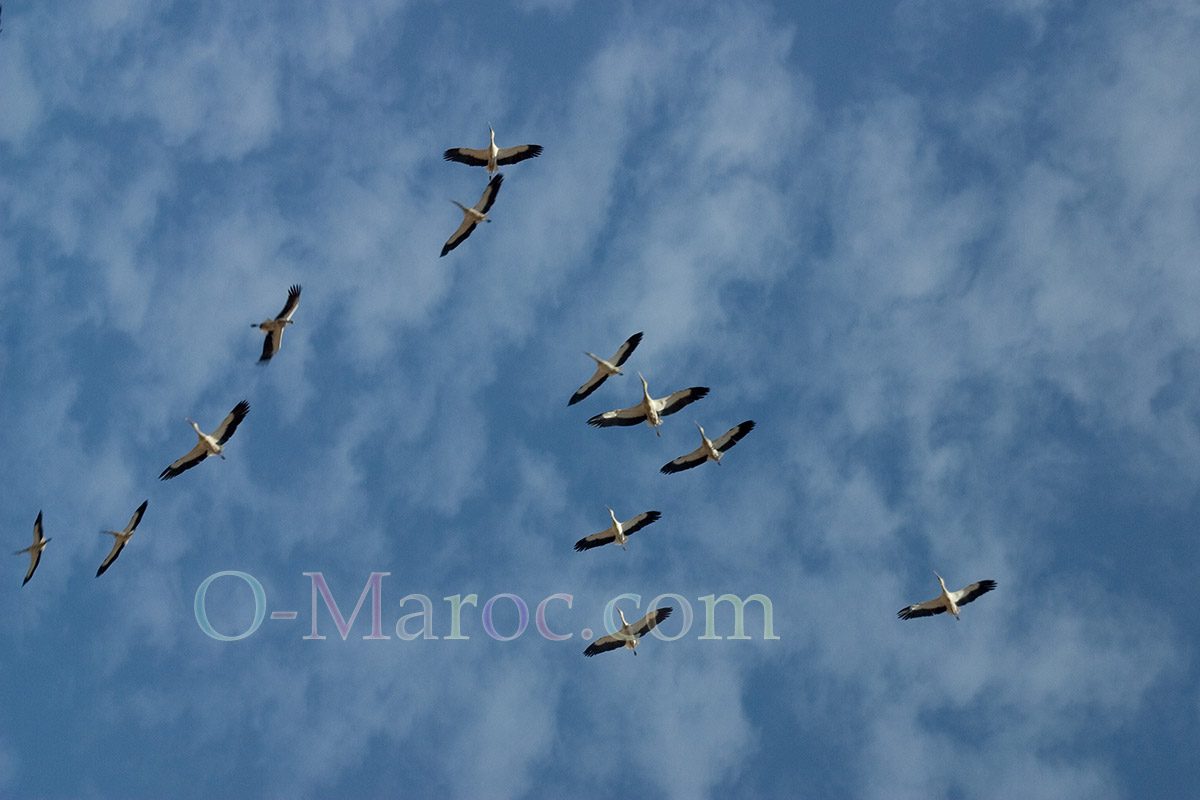
In Morocco, autumn is the season for migratory birds.
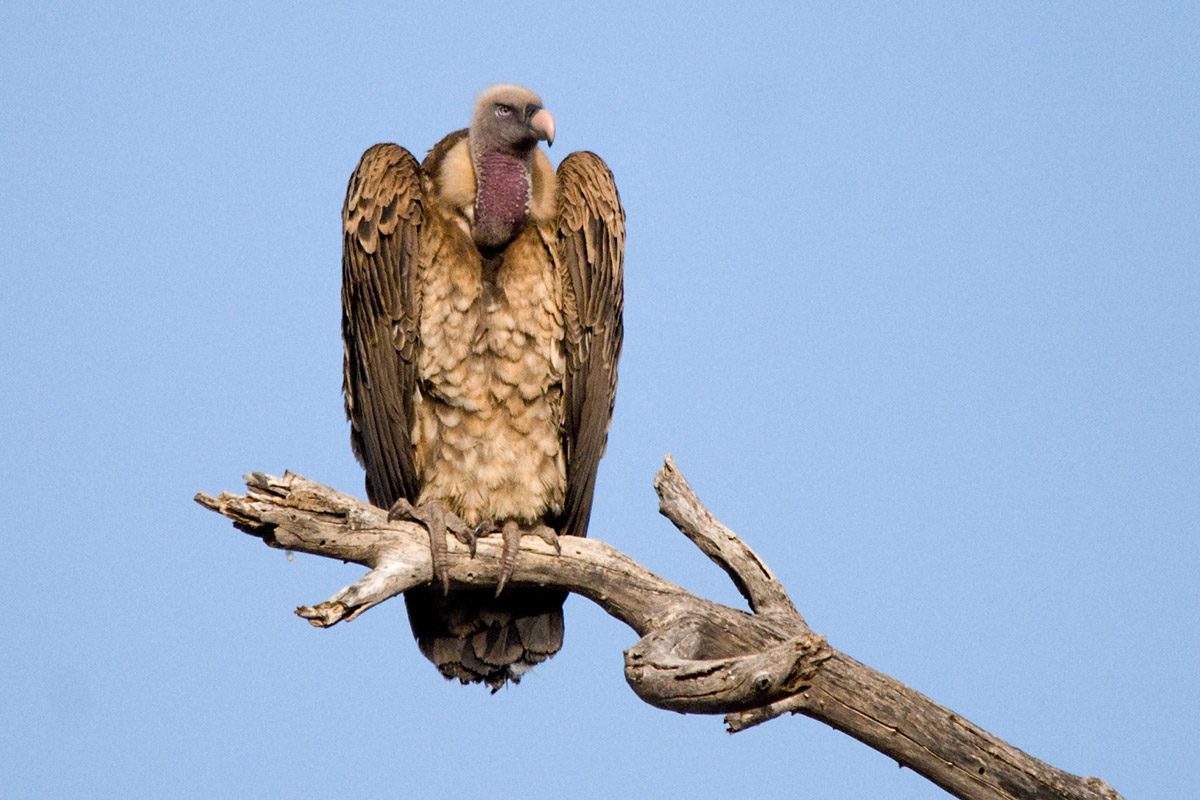
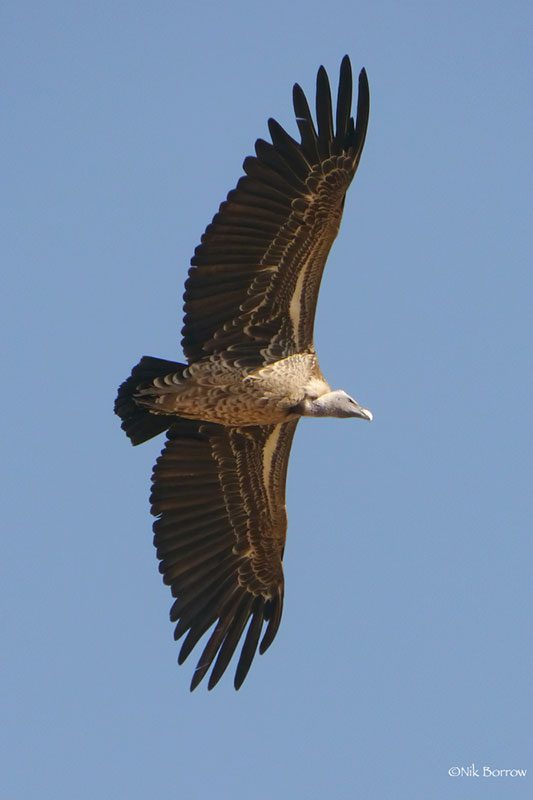
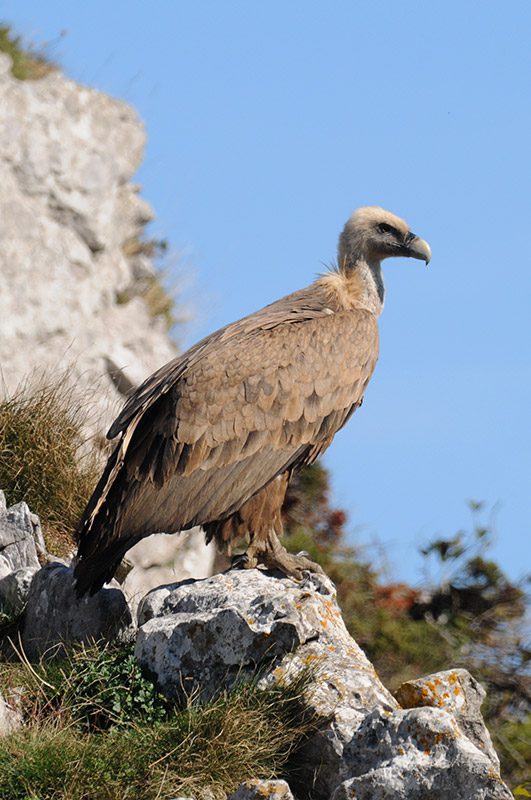
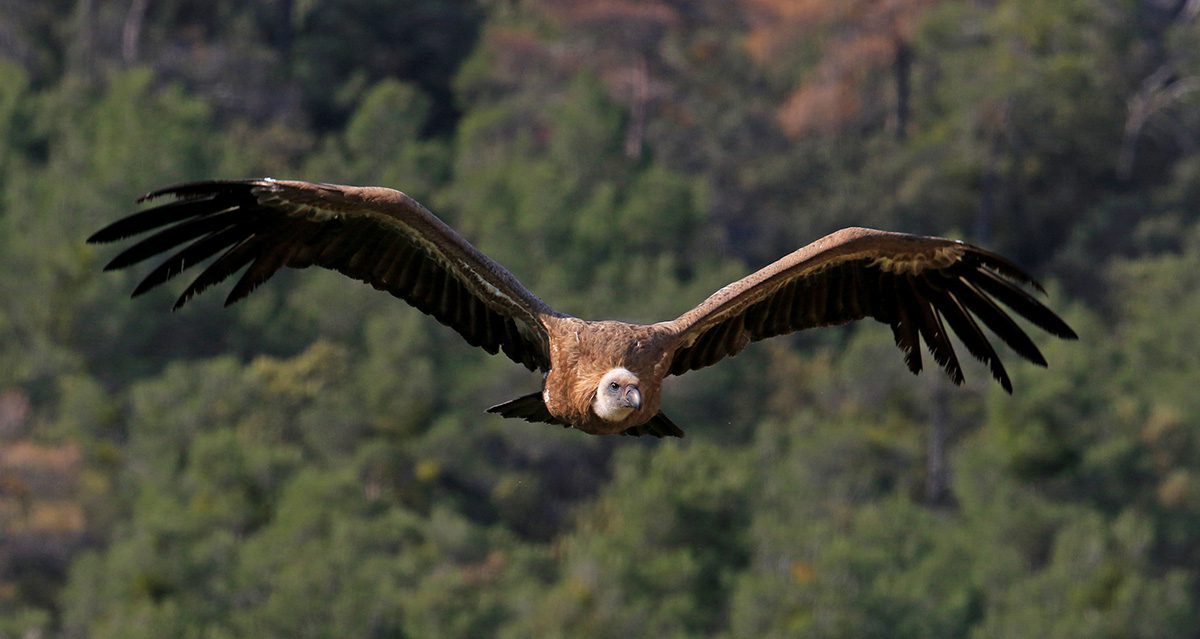
Many species, including endangered birds such as Rüppel’s vulture and griffon vulture, pass through Morocco on their way to their wintering grounds further south, towards the Arguin Bank in Mauritania or even further afield.
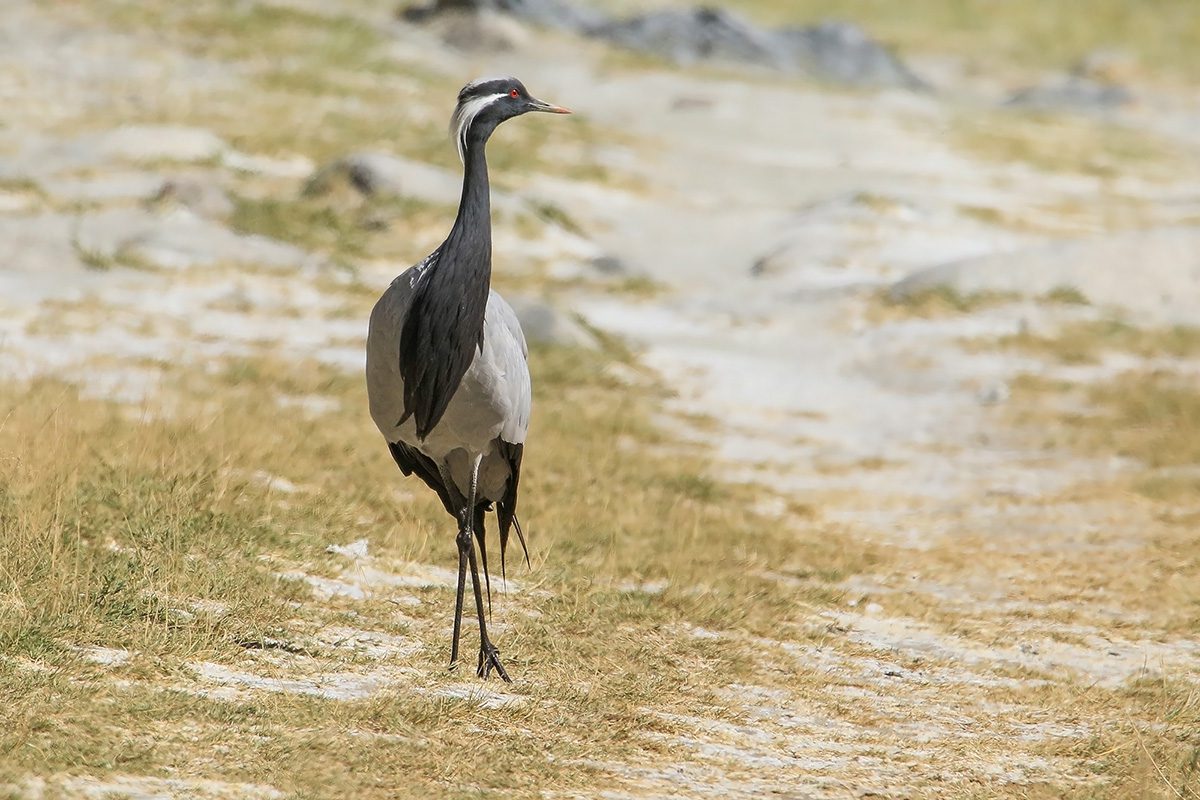
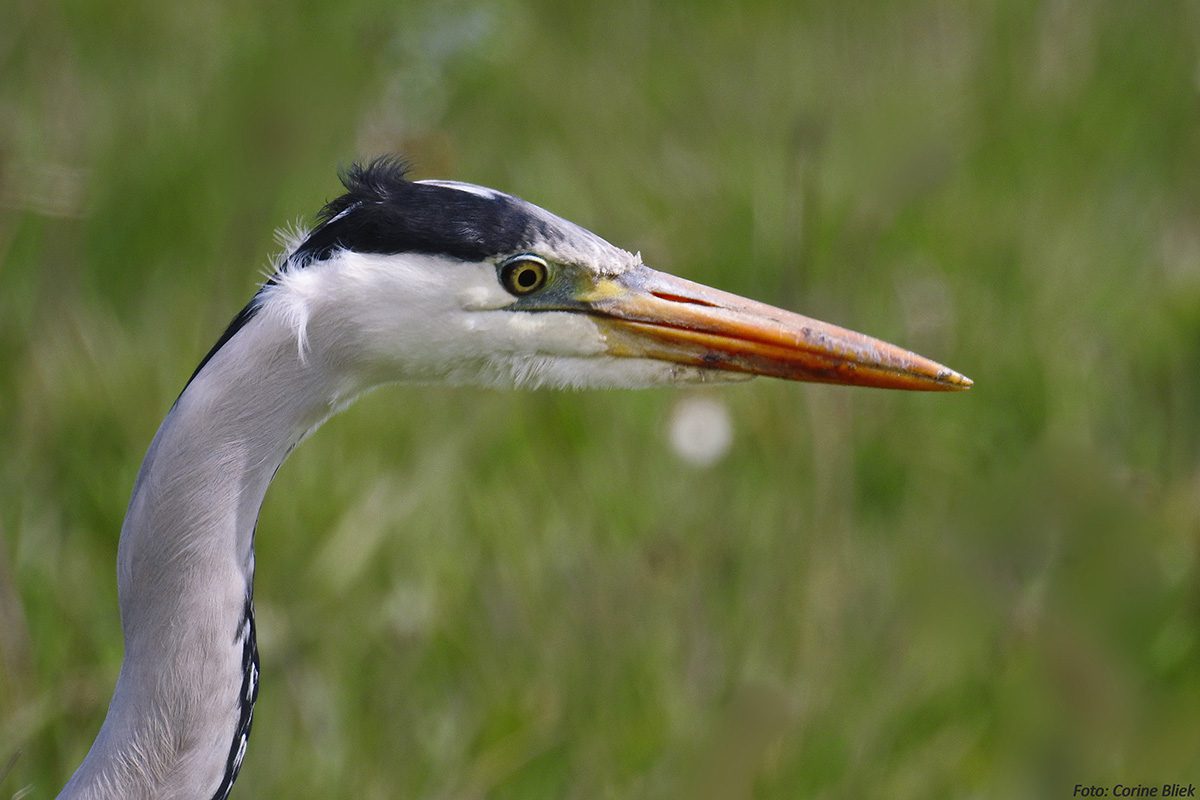
Others remain in Morocco, near Moulay Bousselham or in Sous Massa. These wetlands are home to cranes and herons, which can also be found elsewhere, such as in the Fint oasis or on the silty banks of the Bou Regreg!
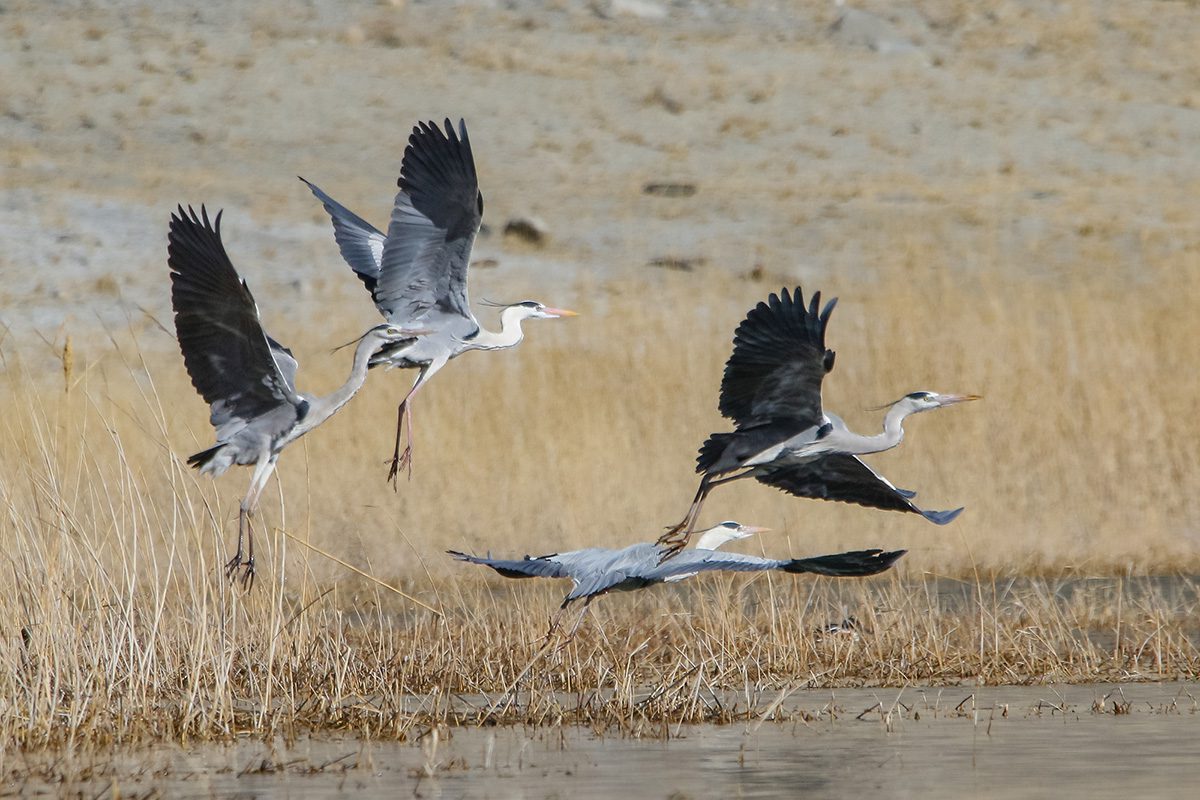
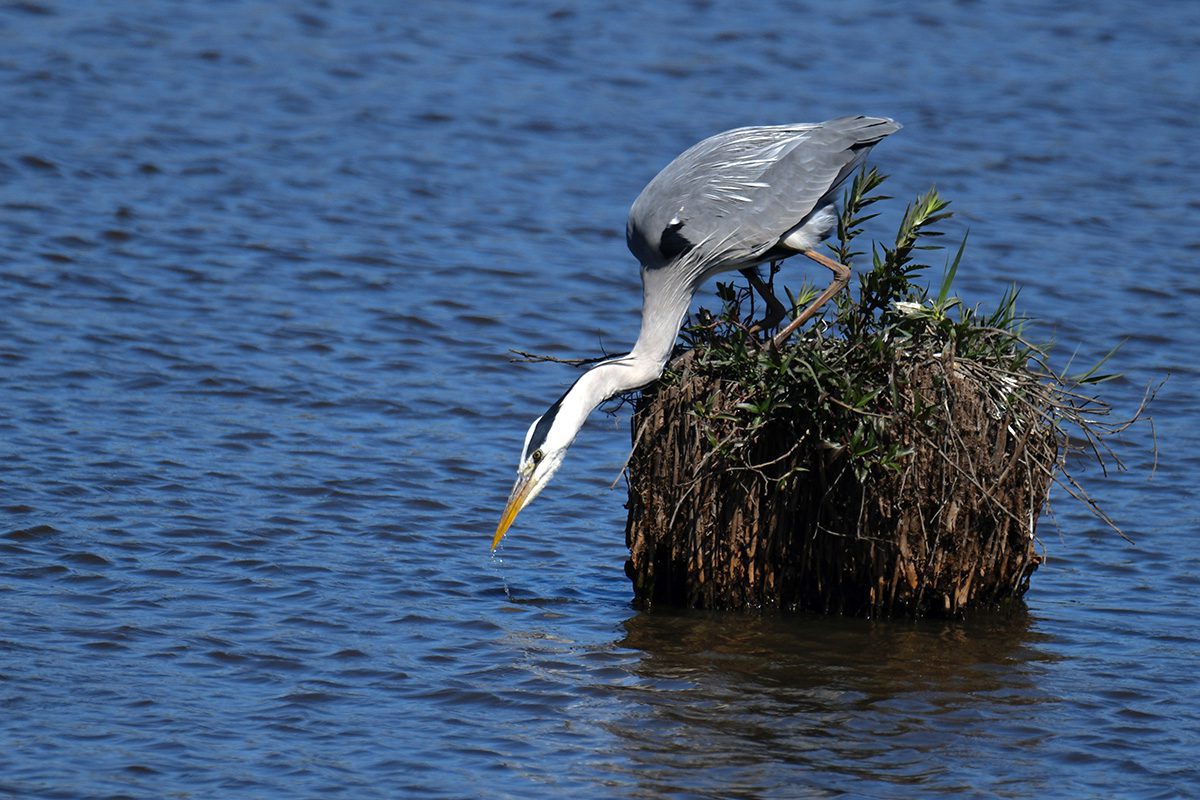
Storks, meanwhile, are found throughout Morocco and are often resident all year round. Joined by migratory storks, their numbers increase significantly from late autumn onwards.
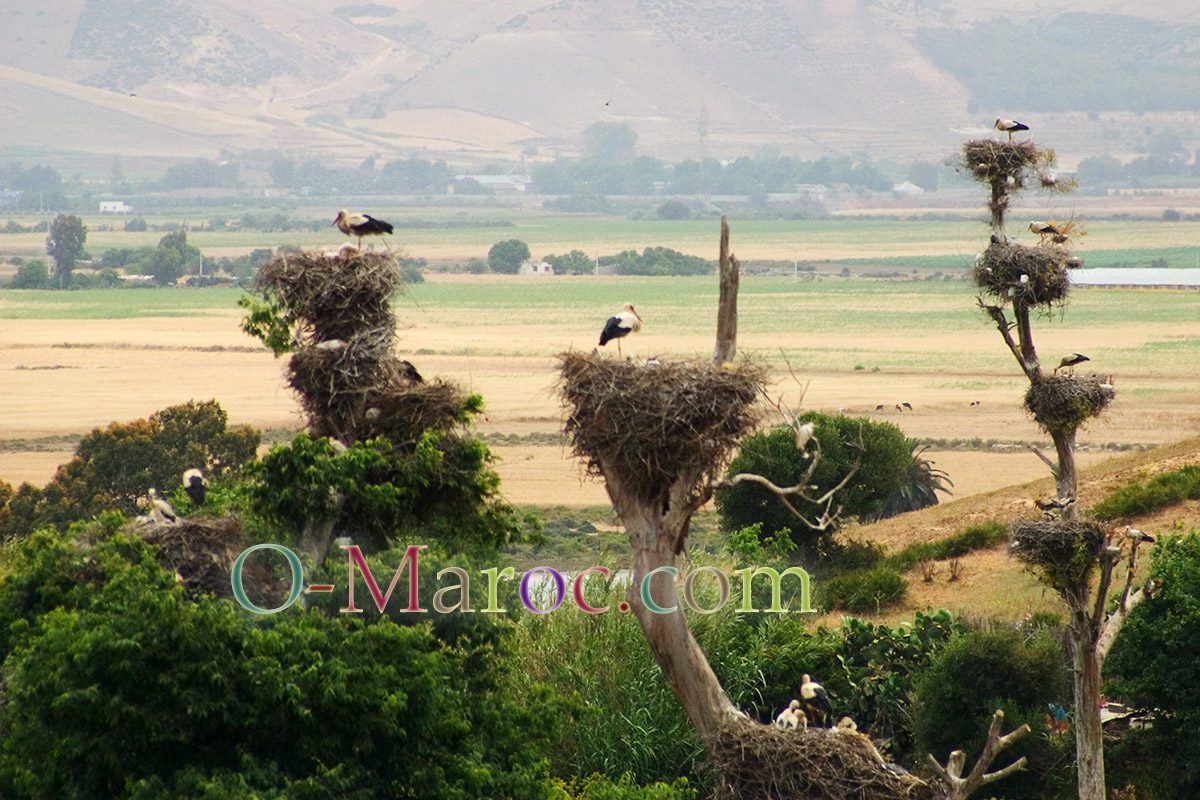
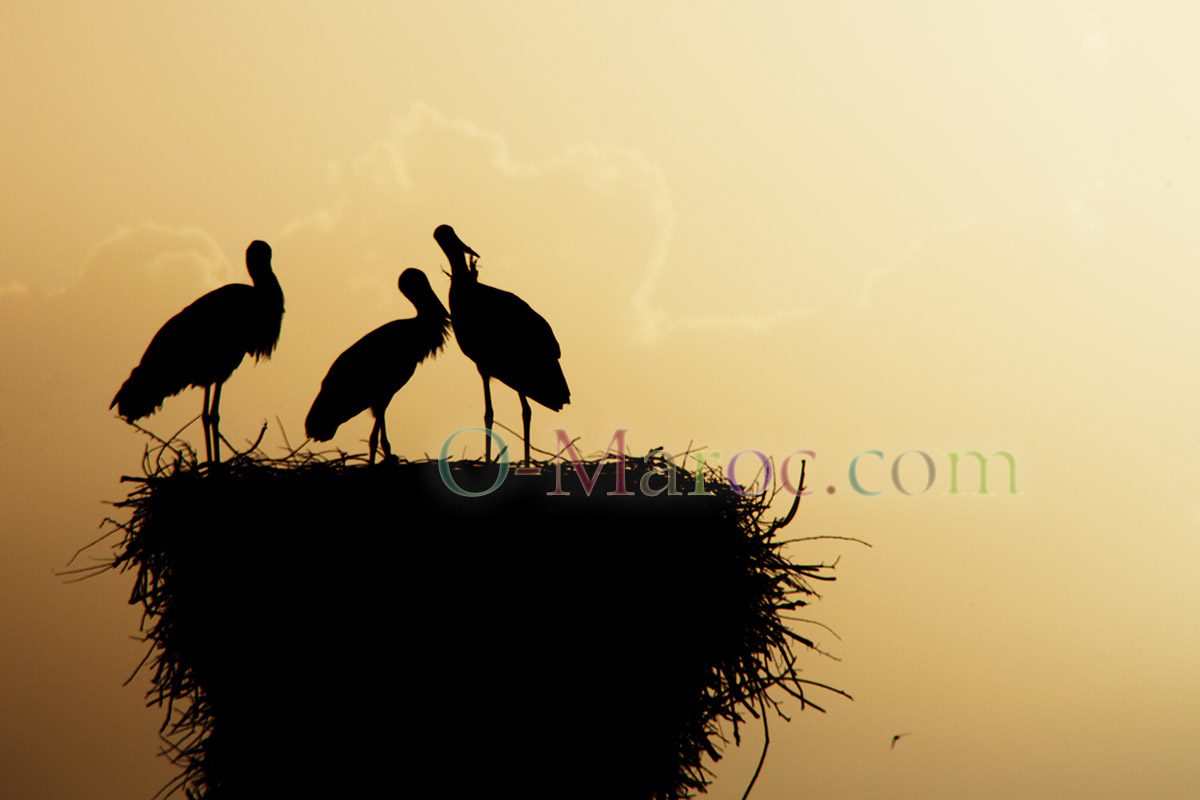
The storks’ nests in Chellah are well known, but they can be found all over Morocco, with a preference for mosque minarets!
 A typo or syntax error? You can select the text and hit Ctrl+Enter to send us a message. Thank you! If this post interested you, maybe you can also leave a comment. We'd love to exchange with you !