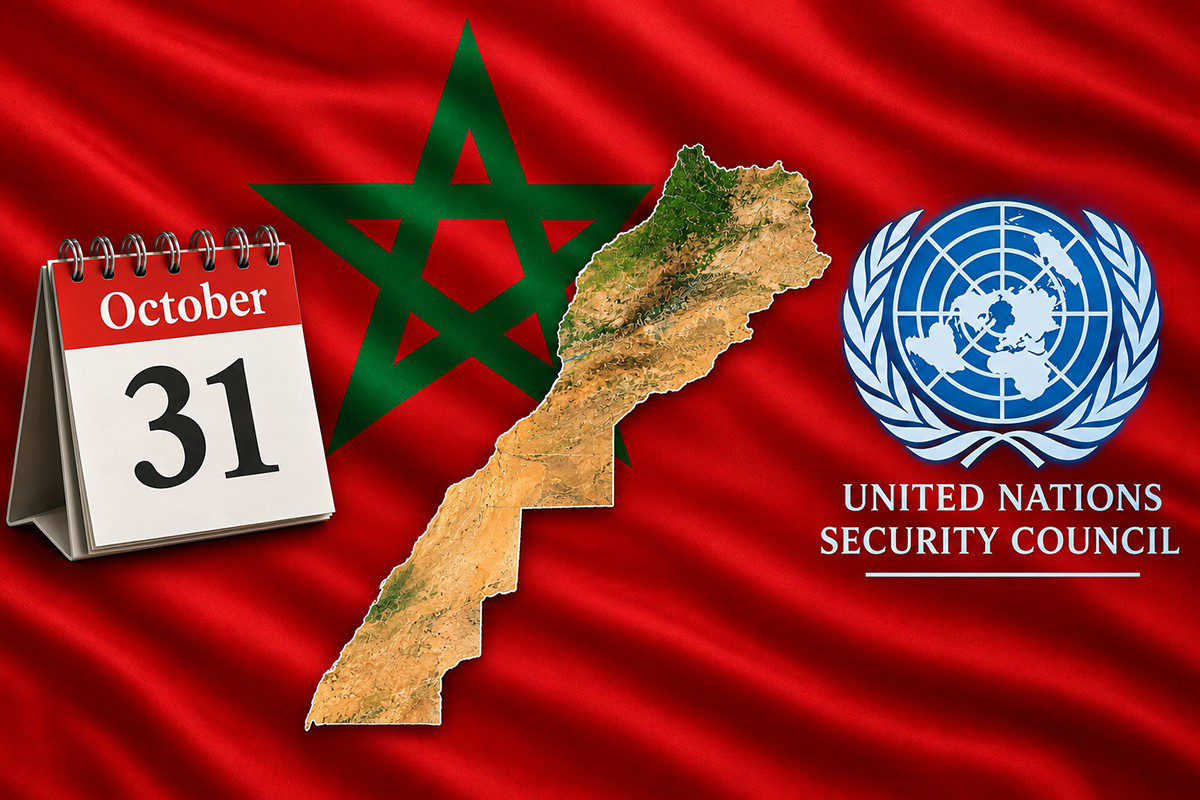
Established by the King on 4 November 2025, one year ago, Unity Day (Aid Al Wahda – عيد الوحدة ) is an official public holiday, on which work is suspended and pay is received, to mark United Nations Security Council Resolution 2797.
Support for the Moroccan autonomy plan in Resolution 2797
To mark United Nations Security Council Resolution 2797, adopted on 31 October 2025 by 11 votes in favour, 0 against and 3 abstentions (China, Russia, Pakistan), which extends the mandate of MINURSO until 31 October 2026. Tabled by the United States, the text marks a turning point by addressing the Western Sahara issue from the perspective of a political settlement.
Indeed, the text supports the Moroccan autonomy plan as the basis for resolving the conflict in Western Sahara.
At the outset, the Security Council notes the support expressed by many Member States for the autonomy plan for Western Sahara proposed by Morocco, as the basis for a just, lasting and mutually acceptable settlement.
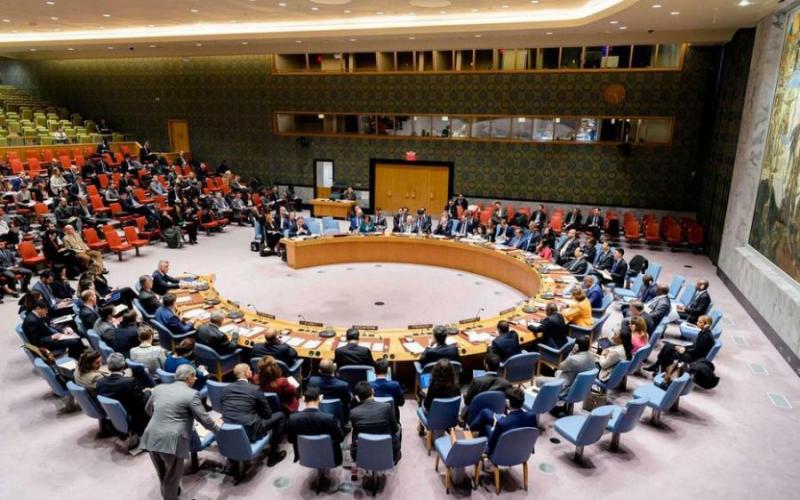
In its operative part, the resolution calls on the parties to conduct negotiations without preconditions with a view to reaching a definitive and mutually acceptable political solution based on the autonomy plan proposed by Morocco. It considers that ‘genuine autonomy could represent one of the most feasible solutions’.
Furthermore, the resolution makes no explicit reference to a referendum on self-determination, including the possibility of achieving sovereignty, as was the case in all previous resolutions on Western Sahara. Nevertheless, the mandate of MINURSO (United Nations Mission for the Referendum in Western Sahara) has been extended until 31 October 2026.
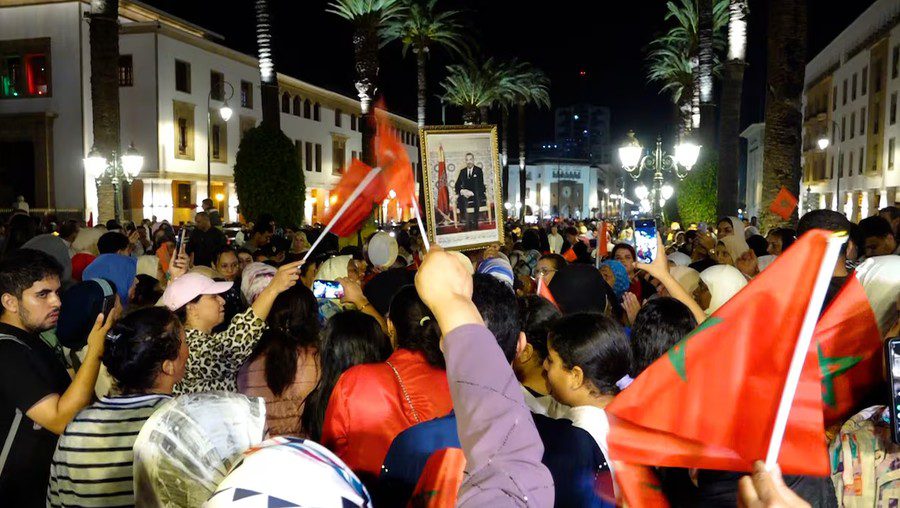
I remember the jubilation in Morocco – everyone was out on the streets, waving Moroccan flags, cars were honking their horns… it felt just like a night when Morocco had won the Africa Cup of Nations!
What is the situation in 2026?
The strategic review of MINURSO’s mandate, for which consultations began on 23 April 2026, has still not been finalised: the options under consideration range from monitoring the ceasefire to the return of refugees, including disarmament or support for self-determination in the event of a political agreement.
Three rounds of ministerial talks (Morocco, Algeria, Mauritania, Polisario) took place between January and February 2026. However, no progress was made: Morocco insists that any settlement must be based on autonomy under its sovereignty, whilst the Polisario demands a referendum on self-determination.
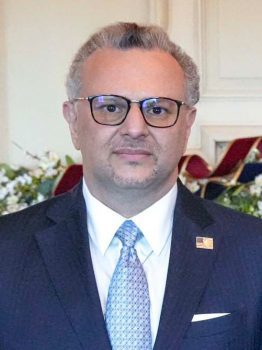
In an interview with France 24 on 25 September, Massad Boulos (a senior US adviser on Arab and African affairs) acknowledged that there was “no imminent solution”, describing the talks as “constructive and productive” whilst lamenting the Polisario Front’s failure to provide a formal response to the autonomy plan.
On 30 June 2026, Mike Waltz, the US Ambassador to the UN, met with the Sahrawi Movement for Peace (MSP, a dissident group within the Polisario Front that supports autonomy): “These are Sahrawi voices committed to peace, compromise and a lasting solution. The world should listen to them.”
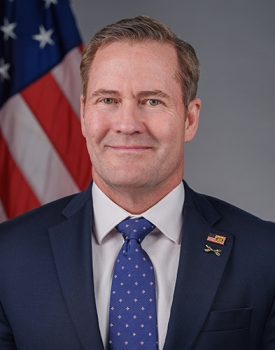
On 30 September 2026, he received a Polisario delegation in New York, making markedly harsher remarks, which were posted on X: “The refugees in the Tindouf camps have been waiting for 50 years. They deserve real choices, not another decade of waiting. The basis for a solution is on the table.” According to reports, he also warned: “Any other course of action will only prolong the status quo, which is unacceptable.”
Four days ago, Mauritania joined the fray by calling for the demarcation of its borders. The request relates to the status of the town of Lagouira, opposite Noudhibou. It is thought that, by securing a long-term concession over this town, Mauritania might abandon its neutrality, lend its support to Rabat and cease to recognise the SADR.
So, with ten days to go before the 31 October deadline, the situation is unprecedented: never before has the autonomy plan enjoyed such diplomatic alignment, nor has the United States ever exerted such direct pressure on the Polisario Front. However, the lack of a formal response from the Front and Algiers, the fact that MINURSO’s strategic review has not been finalised, and the mistrust shown by Russia and China suggest, in all likelihood, a cautious extension — for one year or six months — rather than a radical overhaul of the mission. The Security Council vote in the coming days remains the key event to watch.
In short, a year in which nothing much really happened. Except for a resumption of armed hostilities, with a rocket attack near Smara claimed by the Polisario on 5 May 2026.
 A typo or syntax error? You can select the text and hit Ctrl+Enter to send us a message. Thank you! If this post interested you, maybe you can also leave a comment. We'd love to exchange with you !