

When 'solidarity' is practised on the occasion of a rally, it cannot be accompanied by real encounters. We've had this experience, where the 4L prevents individual projects and transforms humanitarianism into dehumanisation.
When 'solidarity' is practised on the occasion of a rally, it cannot be accompanied by real encounters. We've had this experience, where the 4L prevents individual projects and transforms humanitarianism into dehumanisation.
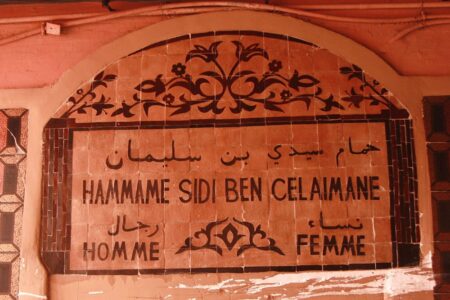
The hammam is an institution and a ritual for Moroccan women, primarily because in the past there were no bathrooms in their homes. From an obligation, it became a leisure activity.

What to do in the event of a problem? Good and bad reactions, good reflexes for quick solutions.
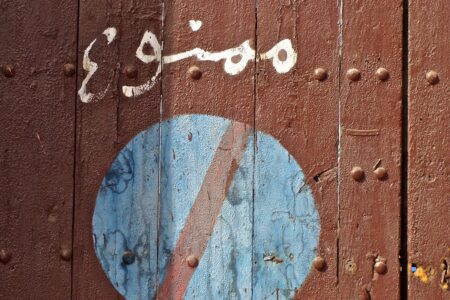
What not to do in Morocco, to avoid problems: there are still a few taboos in Moroccan society that must be respected.
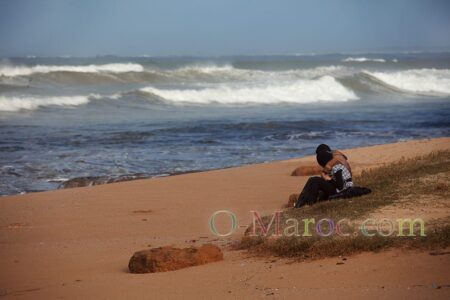
Moroccan law prohibits the cohabitation, even for one night, of unmarried couples where "at least one of the two is Moroccan". What does this mean in practice, for tourists and for residents?

Getting around Morocco for your holidays: how to get there and how to get around cheaply
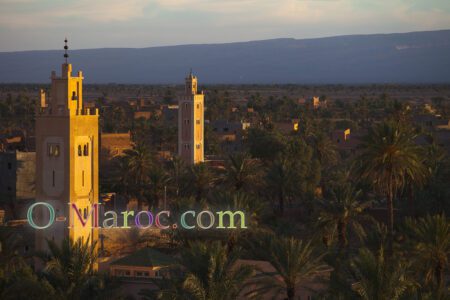
During Ramadan, the night is longer and daytime activities have a different timetable. What's a day like in Ramadan?

Rain is a sign of good luck, water and showers are always welcome, except when they turn into torrents and floods.

The nature of an attack is to strike unexpectedly. Should you cancel your trip following the bombing of the Argana café in Marrakech? The choice is yours, but no, for objective reasons and out of support for Morocco.
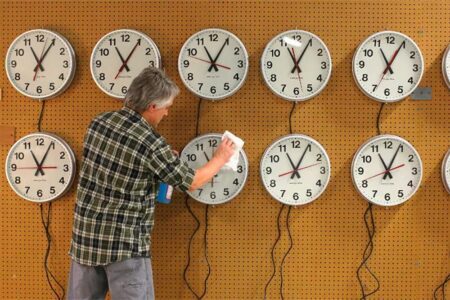
Daylight saving time in Morocco: from 2 May 2011 to 8 August 2011, Morocco will switch to daylight saving time, returning to standard time just a few days before the start of Ramadan. Or perhaps not… with just a few weeks to go before the scheduled date, there has been no official announcement.

Every year we get the same requests to sponsor a crew in the 4L Trophy. And we never respond, for reasons of marketing and principle.
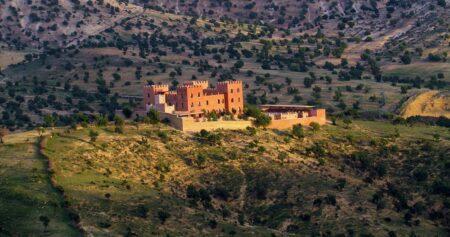
The search for authenticity is combined with a demand for ecology, which means that ecolodges, which are particularly rare in Morocco, are highly sought-after.

Major ecological projects are being developed in Morocco, focusing on wind and solar power. There is still a lot to be done, particularly in the development of organic farming, with certification

It's all very well to want to promote ecotourism, but in this case we also need to solve the most important pollution problems, such as water management or plastic bags...

At last, the date for daylight saving time in Morocco is known. And of course, it's not the same as last year or two years ago...
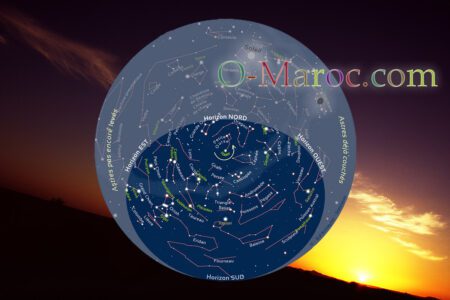
The map of the sky changes with latitude. To observe the stars of the Moroccan desert, here's a site that makes it easy to identify them.

