Eid is celebrated differently in the big cities and in the countryside. Every year, the ‘great migration’ sees hundreds of thousands of Moroccans leave the major urban centres to return ‘home’, to where their families are.
And a few of them – though not many – are going to spend a long weekend in a hotel.
So every year, Casablanca empties out at Eid. Except, of course, in 2020, because of the lockdown… well, sort of, anyway. And every year, during the holidays, Casablanca empties out just as much. Since Wednesday, lots of residents have left.
That was also the case last year; by the end of the third week of July, Casablanca was even more deserted.
And yet, one thing is completely different.
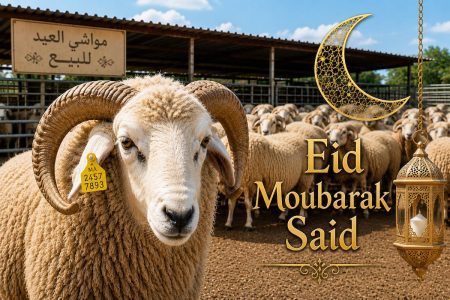
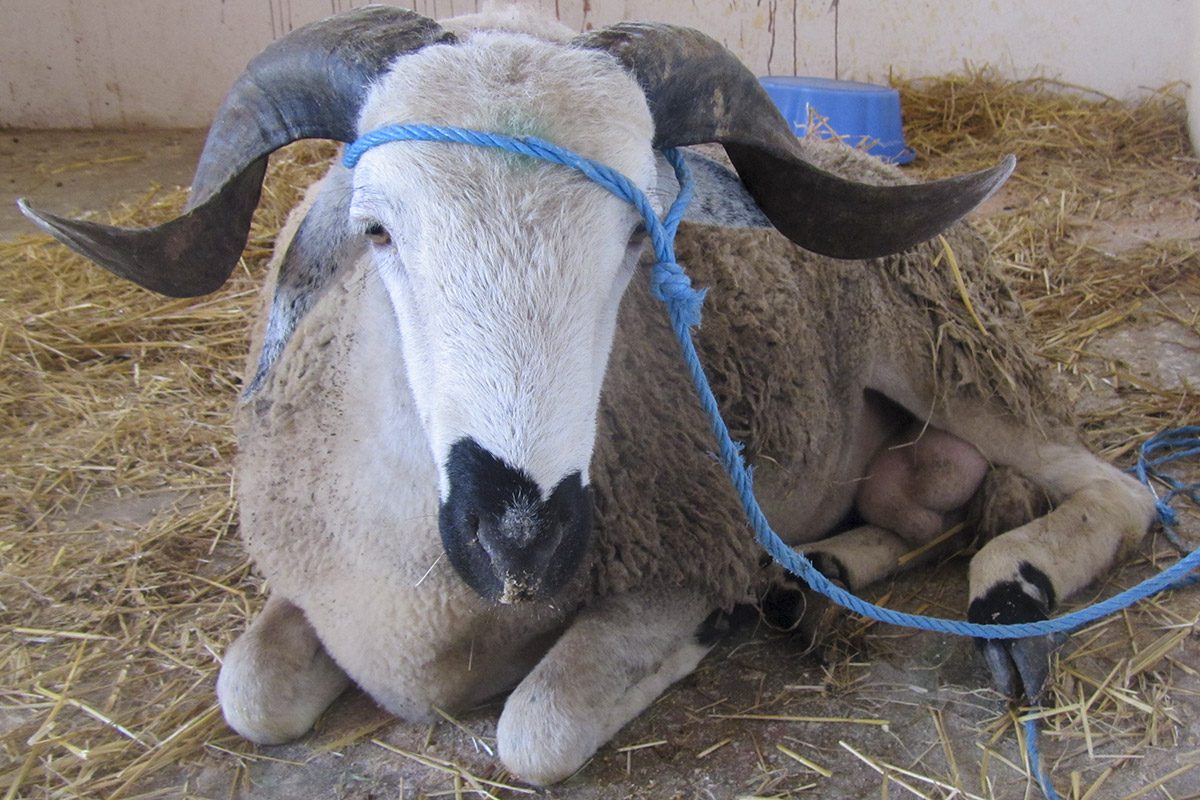
Usually, round where I live, you can always hear the bleating of about ten sheep spread across a few nearby blocks of flats. People have their sheep delivered two or three days beforehand, and we ‘enjoy’ the animals’ concert for a few days.
In particular, the caretaker of the block parks his ram in the inner courtyard, right under my kitchen windows.
What is completely different is the profound silence of this evening before Eid.
This evening, I heard just one sheep, quite a long way off. My caretaker, even though he had a visit from his family, didn’t buy a sheep. And it’s not down to the ‘sheep hotels’.
Of course, I’ve seen sheep being sold on the streets of Casablanca, transported in Hondas. Very late in the day, as late as 7 pm. That’s far too late.
A lot of people haven’t bought a sheep this year.
Because sheep are expensive – very expensive
Whilst they usually cost between 2,500 and 3,500 dirhams, the price of sheep has skyrocketed; the very first lambs – the small ones – cost 5,000 dirhams, whilst the average price per animal is 6,000 dirhams.
Many farmers did not want to capitalise on the opportunity presented by Eid, as they say: it’s too costly. Consequently, the limited supply is keeping prices high.
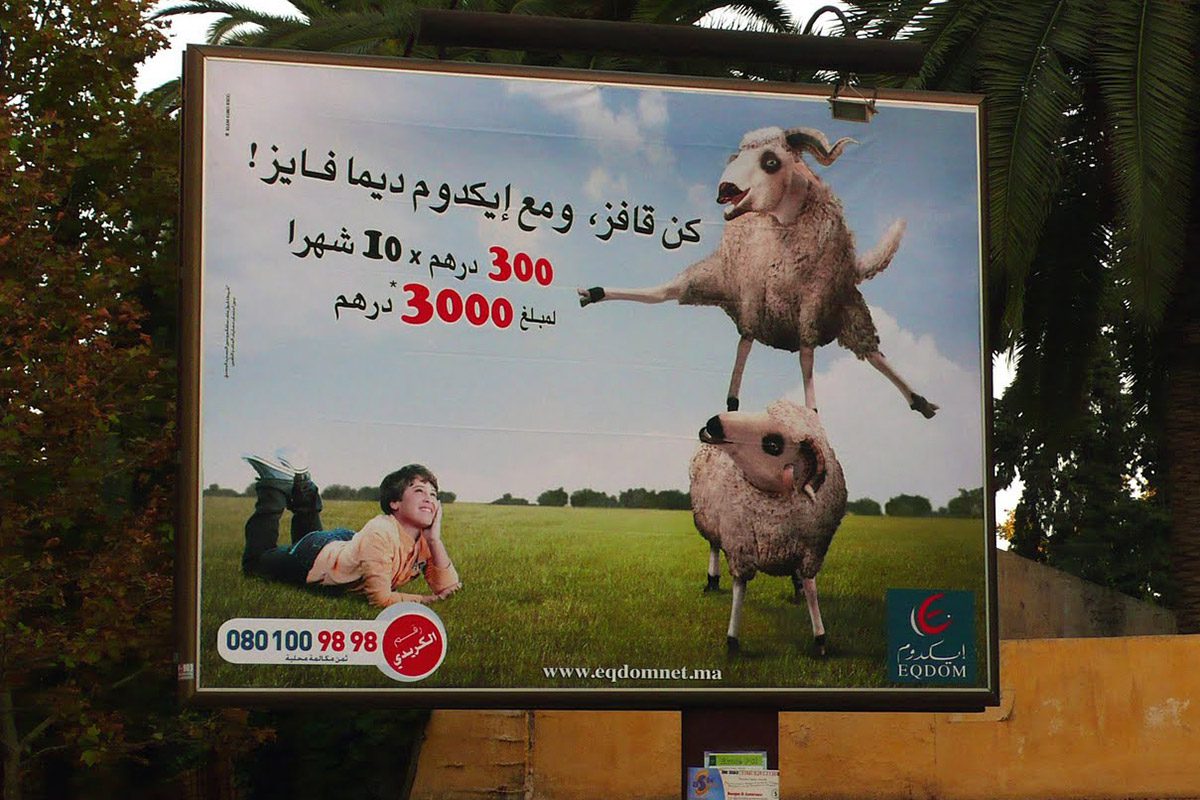
Nor did we see any adverts from banks offering consumer loans to buy a sheep.
Because banks have strict guidelines to limit their levels of risk. Because people are becoming less and less creditworthy.
In the past, Moroccans had no qualms about getting into debt to pay for a sheep. It was more important not to lose face in front of one’s neighbours, and to throw a celebration for one’s family and children.
The religious prohibition on credit and riba was no match for the social obligation associated with Islam’s greatest festival.
The crisis is upon us. Many people are poor; there has been the coronavirus, rising petrol prices, and the drought (which increases the cost of feeding the sheep)… When all your neighbours are just as poor as you are, there is no longer any shame in it.
And then, as my taxi driver told me today
September marks the start of the new school year, and it costs a lot of money to put the children through school; this year I haven’t bought a sheep.
But this silence tonight is rather sad. I’d rather get a bit annoyed, as I do every year, at the noise the sheep make.
In any case, Bernard and I would like to wish you all a happy Eid al-Adha, with or without a sheep.
En espérant que le partage se fera.
 A typo or syntax error? You can select the text and hit Ctrl+Enter to send us a message. Thank you! If this post interested you, maybe you can also leave a comment. We'd love to exchange with you !